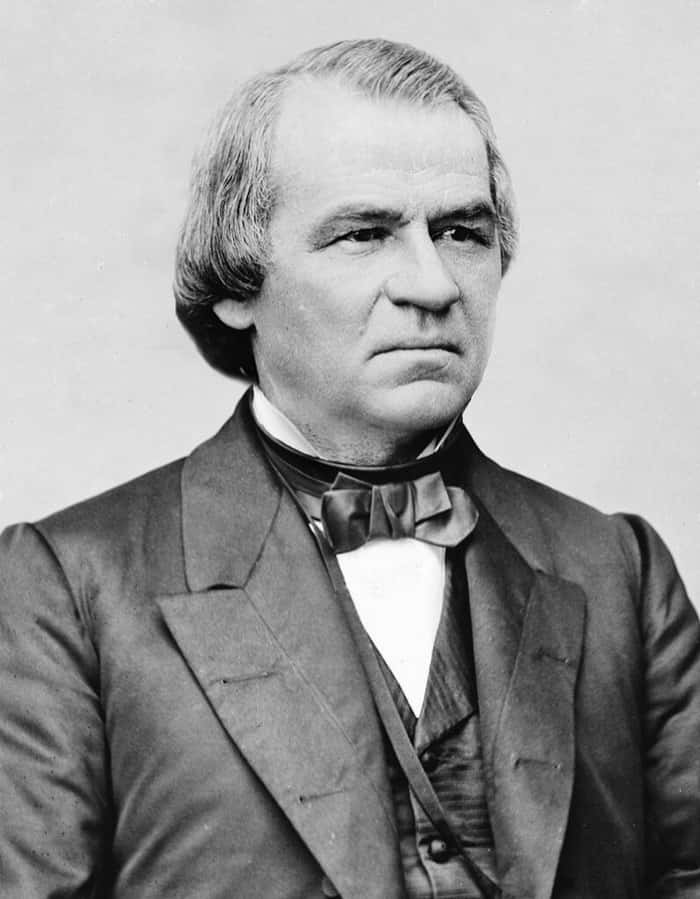
With the Civil War behind it, the nation found itself standing at a crossroads that would define the future of racial justice in America. On April 9, 1866, Congress delivered a thundering statement of intent by overriding President Andrew Johnson's veto and passing the Civil Rights Act of 1866 into law. The significance of this legislation cannot be overstated — by granting citizenship and equal legal rights to all persons born in the U.S., regardless of race, it fundamentally reshaped the country's legal landscape. As one of the defining achievements of the Reconstruction era, it opened the door for civil rights protections that would follow in the decades ahead.
What drove Congress to take such a bold step? The answer lay in the Black Codes — repressive laws that Southern states had passed to strip African Americans of their newly won freedoms. President Johnson attempted to block the legislation with his veto, but Congress refused to back down. Demonstrating an unwavering dedication to securing the rights of freed slaves, lawmakers took the extraordinary action of overriding the president and pushing the bill through into law.
At its core, the act established that every person born in the United States — with the exception of Native Americans — held full citizenship and was entitled to the same legal rights enjoyed by white citizens. These rights encompassed property ownership, the ability to enter into contracts, and equal access to the courts. Putting these protections into practice proved difficult, yet the legislation carved out an essential legal foundation for what was to come, most notably the 14th Amendment, which would enshrine the principles of citizenship and equal protection into the Constitution itself.
Interesting Facts about the Civil Rights Act of 1866:
- This was the first time in U.S. history that Congress overrode a presidential veto on a significant piece of legislation.
- The act directly influenced the drafting and ratifying of the 14th Amendment in 1868.
- The Civil Rights Act of 1964 reinforced many of its provisions nearly a century later.
- The Civil Rights Act of 1866 was a defining moment in America's quest for equality. Despite opposition, it laid the foundation for the legal rights of African Americans and shaped the course of U.S. history.