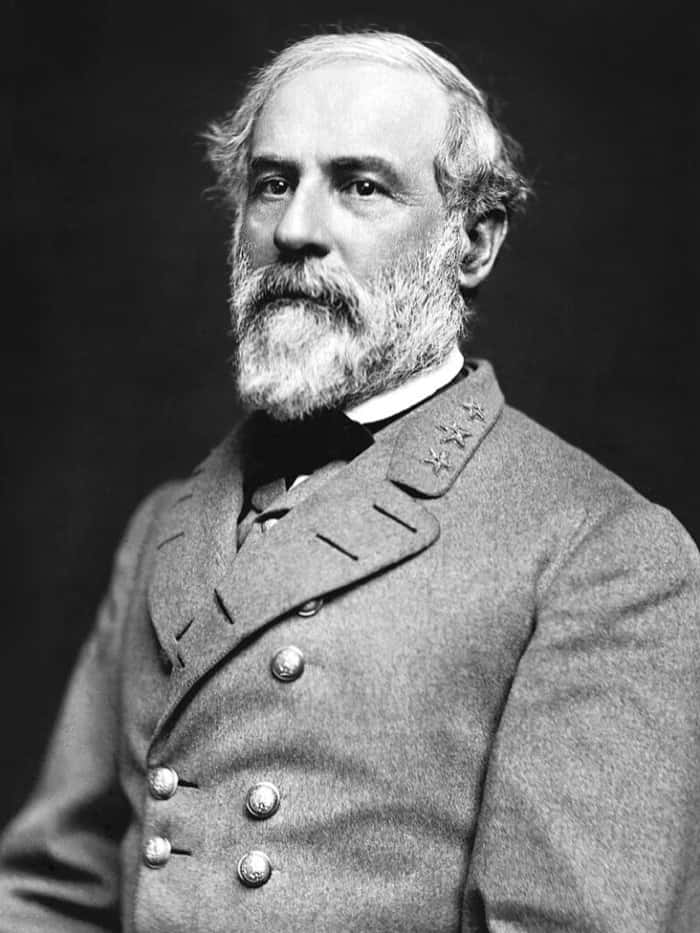
American history took a dramatic turn on April 9, 1865, when General Robert E. Lee formally yielded his Confederate forces to General Ulysses S. Grant at Appomattox Court House in Virginia. This act signaled both surrender and the closing chapter of the Civil War. The Confederacy crumbled with Lee's surrender, opening a vital pathway toward reunifying the United States. Worth noting is that this momentous event preceded the time when Texas's enslaved community became aware of their freedom during Juneteenth, a celebration of the emancipation of those enslaved in the United States. Even after Lee laid down arms, regional fighting persisted.
The Confederate forces at last surrendered after four grueling years in which the Union fought to preserve the country and end slavery. Lee's army, encircled by Union forces, had no capacity left to continue the fight. Rather than impose harsh penalties, Grant extended generous terms — Confederate soldiers could return home, and officers were permitted to keep their sidearms. The military battle reached its conclusion in this moment, which stood as a monumental turning point in the story of America.
The valor of African American soldiers in this historic incident deserves every bit of recognition it receives. Among the first Union forces arriving in Appomattox from the west were the 29th, 31st, and 116th Infantry Regiments, each playing a crucial part. So evident was the courage of the U.S. Colored Troops that several Confederate soldiers chose to surrender directly to them. Additional USCT regiments secured the rear, cutting off any Confederate escape. Far more than simply important, the involvement of Black troops proved instrumental in delivering victory for the Union and pushing the cause of freedom forward.
Fundamental transformations reshaped the existing reality once the war drew to a close. While slavery came to an end, federal control expanded and Reconstruction began, ushering in sweeping political and social changes across the United States. Through their emancipation and courageous efforts, both in and outside military operations, African Americans established a foundation for future civil rights progress. The tireless work of African American troops and regular citizens fueled freedom movements that would endure for decades.