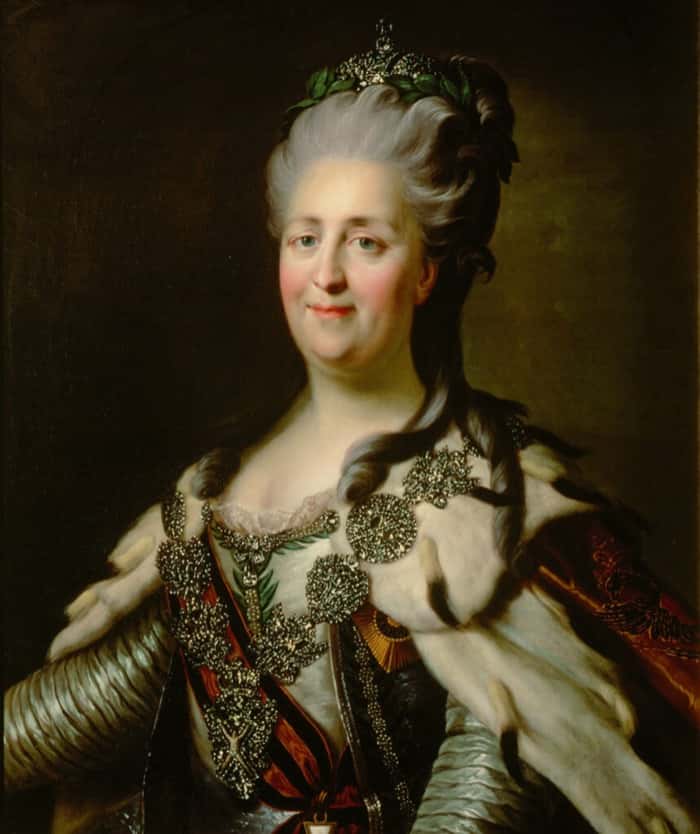
When Catherine the Great officially did away with the beard levy on April 6, 1772, she closed one of the more unusual chapters in Russian history. The tax had originally been the brainchild of Tsar Peter the Great, who introduced it back in 1698 as part of his sweeping campaign to drag Russian society into step with Western European norms. Peter viewed the longstanding Russian tradition of wearing a full beard as a relic of the past—something that stood in the way of his modernization agenda. By striking down this levy, Catherine signaled a meaningful turning point in Russia's evolving path toward a more modern identity.
So what exactly is a beard tax? In short, it's a government-imposed fee that men had to pay for the privilege of keeping their facial hair. During the 18th century, Russian leaders rolled out this levy as one piece of a much larger effort to reshape society from top to bottom. Peter the Great had actually outlawed beards entirely in 1698 in his push to westernize Russia, then softened the ban into a tax instead. Those who wanted to keep their whiskers purchased special beard tokens as proof of payment—otherwise, they faced the humiliation of being publicly shaved. The tax remained in effect until 1772, and the various beard token designs it spawned have since become fascinating museum artifacts. Interestingly, Peter himself sported a mustache, yet he regarded bushy beards as emblems of backwardness—a mindset that shaped everything from coin imagery to fashion norms. In our era, people grow whatever facial hair they please, a far cry from Peter's day when a beard could quite literally hit your wallet.
Resistance to the tax was fierce, especially among those whose religious convictions required them to wear beards. The Russian Orthodox Church—a deeply influential institution—went so far as to declare that being clean-shaven was blasphemous. This powerful opposition, anchored in profound spiritual beliefs, ultimately proved instrumental in pushing Catherine the Great to abolish the tax in 1772, drawing the curtain on this peculiar episode in Russia's modernization story.
Legacy
The beard tax imposed by Peter the Great endures in memory as a daring—and deeply divisive—emblem of his drive to westernize and modernize Russia. It stands as a striking example of how a ruler can wield something as personal as appearance to reshape an entire culture. The surviving beard tokens now function as historical artifacts and tangible reminders of how far state authority once reached into individual freedoms. There's also an amusing thread connecting Peter's policies to today's facial hair trends, illustrating how attitudes toward grooming, identity, and power have shifted dramatically over the centuries—a reflection of ever-changing societal norms and values.