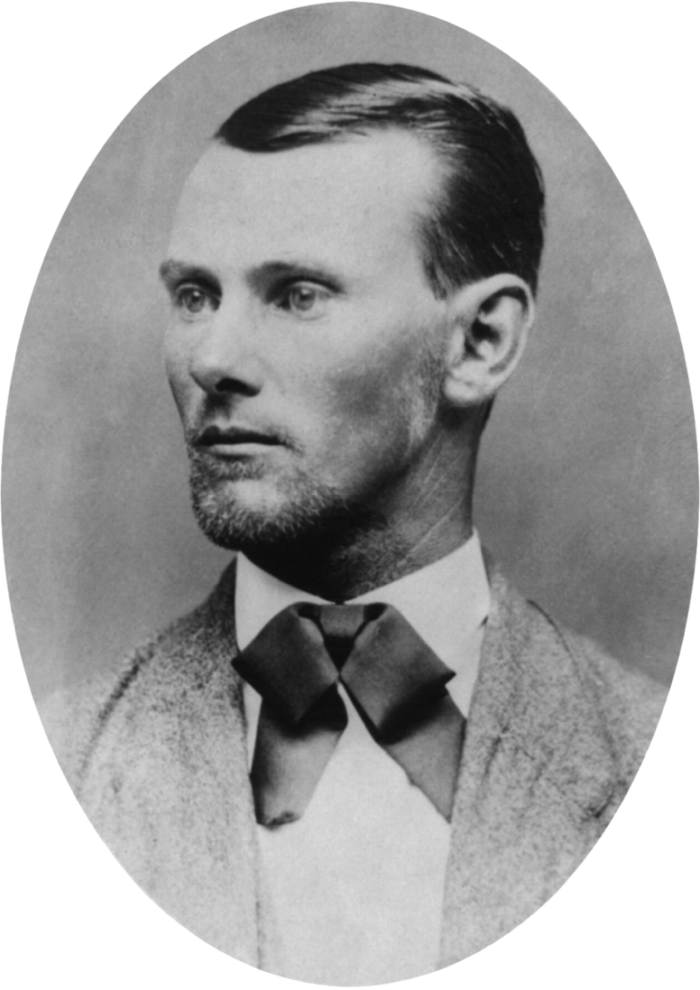
It was April 3, 1882, when a single bullet ended the life of Jesse James—one of the most infamous outlaws America has ever known. The man who pulled the trigger was Robert Ford, someone Jesse had trusted as a member of his own gang. This stunning betrayal brought the curtain down on the James-Younger Gang, a criminal outfit that had spread fear across the American frontier through more than a decade of robberies and violent crimes.
Jesse James came into the world in 1847 in Missouri and went on to fight as a Confederate guerrilla during the Civil War. When the fighting ended, he partnered with his brother, Frank James, to pursue a criminal path, forming the James-Younger Gang. Their targets included banks, stagecoaches, and trains, and depending on who you asked, they were either folk heroes or dangerous wanted criminals. By the early 1880s, however, the gang had fallen apart—its members either killed or arrested. Jesse, along with his wife and children, had gone into hiding in St. Joseph, Missouri, living under an assumed name. Even then, he was plotting one last bank robbery, a job he would never live to pull off.
Robert Ford and his brother, Charley Ford, were recent additions to Jesse's gang. What Jesse didn't know was that Robert had struck a secret deal with Missouri Governor Thomas Crittenden: bring in James—dead or alive—in exchange for a pardon and a reward. On the morning of April 3, 1882, the Ford brothers sat down to breakfast with Jesse at his home, enjoying his complete trust. As the day warmed up, Jesse did something he almost never did—he took off his gun holsters. He then climbed onto a chair to dust a picture hanging on the wall. Robert Ford seized the moment. Drawing his .44-caliber revolver, he fired into the back of Jesse's head, killing the 34-year-old outlaw instantly.
Word of Jesse's death traveled fast, sweeping across the nation. Public opinion turned harshly against Robert Ford, and the press branded him "the dirty little coward who shot Mr. Howard"—Howard being the alias Jesse had been using. The Ford brothers turned themselves in right away and received murder convictions, only to be pardoned by Governor Crittenden within hours. Still, Robert Ford never managed to step out from under Jesse's long shadow. His own life came to a violent end in 1892, when he was shot and killed by a man bent on revenge.
The legacy of Jesse James became inseparable from the mythology of the Wild West, fueling countless books, films, and folklore. Some people even refused to accept that he was truly dead, insisting he had staged his own demise. It took over a century before forensic tests finally put the matter to rest, confirming that Jesse James was indeed buried in Missouri. He lived as an outlaw and died as one, yet his story endures as one of the most captivating legends in American history.