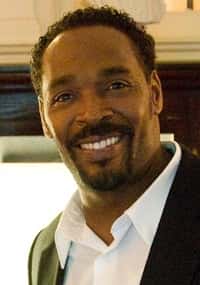
On this day in history, a jury in Simi Valley delivered a verdict that left countless people stunned and outraged — the acquittal of four Los Angeles Police Department officers who had been charged with the savage beating of Rodney King, an unarmed Black motorist. A bystander had recorded the entire incident on video, and the footage had already sparked widespread fury across the nation. When the verdict came down on the afternoon of April 29, 1992, it served as a powder keg, setting off a wave of violence and turmoil that would consume Los Angeles over the course of six harrowing days.
South Central Los Angeles became the epicenter of the uprising, as residents who had endured years of systemic racism and police brutality poured into the streets to voice their anger. The protests quickly spiraled into rampant looting, arson, and violent assaults. Certain images from those days became seared into the national consciousness — none more so than the televised attack on truck driver Reginald Denny at the intersection of Florence and Normandie, a scene that captured the sheer disorder that had overtaken the city.
Devastating Consequences:
Throughout the riots:
- 63 people died.
- More than 2,300 individuals were injured.
- Approximately 12,000 arrests were made.
- An estimated $1 billion in property damage occurred, a staggering figure that affected over 3,000 businesses.
Koreatown bore an especially heavy toll, laying bare the simmering tensions that existed between Korean-American merchants and the African-American community. With police presence virtually nonexistent in the area, many Korean shop owners took matters into their own hands, arming themselves to defend their livelihoods. This gave rise to the now-iconic image of the "rooftop Koreans," which became a lasting symbol of self-defense amid the chaos.
While the officers' acquittal was the immediate spark, the explosion of rage had roots that ran far deeper and had been building for a long time. Behind the unrest lay years of economic disparity, entrenched racial discrimination, and a profoundly fractured relationship between law enforcement and minority communities. Adding fuel to the fire was the 1991 killing of Latasha Harlins, a 15-year-old Black girl who was shot by a Korean store owner — an incident also captured on camera — whose perpetrator received no jail time, deepening the wounds within the community.
In the aftermath of the riots, the LAPD came under withering scrutiny, prompting leadership shakeups and urgent demands for meaningful reform.