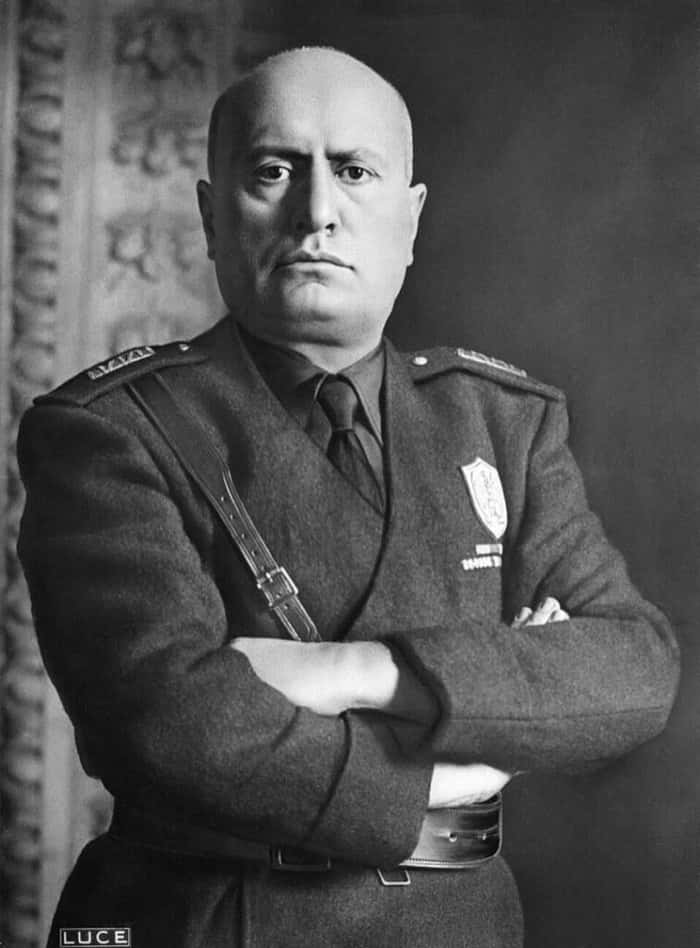
Far from ending with dramatic final words or a defiant gesture, Benito Mussolini—Italy's authoritarian leader and one of European fascism's most towering figures—was cut down in a hail of gunfire along a quiet stretch of road in Giulino di Mezzegra. His last days played out like something from a suspense novel: a desperate escape, mounting terror, and a savage ending that came on April 28, 1945.
The Axis powers were crumbling by April 1945. Mussolini's Italian Social Republic, a puppet state propped up by the Nazis, was falling apart at the seams. Allied forces pushed northward while partisan fighters tightened their grip across the northern regions. On April 25, Mussolini abandoned Milan, hoping to either cross into Switzerland or mount a final resistance in the Alps. His mistress, Claretta Petacci, traveled with him, along with a convoy of remaining loyalists. They wouldn't make it far.
Partisans intercepted a German convoy near Dongo, on Lake Como, on April 27. Mussolini was concealed among the German soldiers, attempting to slip through undetected—but a partisan identified him. He was seized and brought to a farmhouse nearby. The following day, Walter Audisio—operating under the code name "Colonnello Valerio"—was given the order. At around 4:10 p.m., Mussolini and Petacci were stood against the wall of Villa Belmonte and executed by gunfire. It was over in moments. There was no trial, no judicial proceeding—only vengeance. Their bodies were transported to Piazzale Loreto in Milan, where a furious mob hurled insults, spat upon, and battered the remains. The corpses were then strung up by their feet at a gas station—a deliberate inversion of power, carried out at the exact spot where Fascists had put partisans to death months before.
What followed Mussolini's death was a strange odyssey for his remains: buried, then stolen, hidden away, and ultimately reinterred in 1957 in Predappio, his hometown. Even now, his tomb draws far-right devotees on pilgrimages. The precise details surrounding his killing, meanwhile, have fueled decades of conspiracy theories and heated political discourse across Italy. April 28, 1945, signaled far more than one man's demise—it marked the implosion of a regime and the closing of an era. Italy would wrestle with the legacy of that moment for generations afterward.