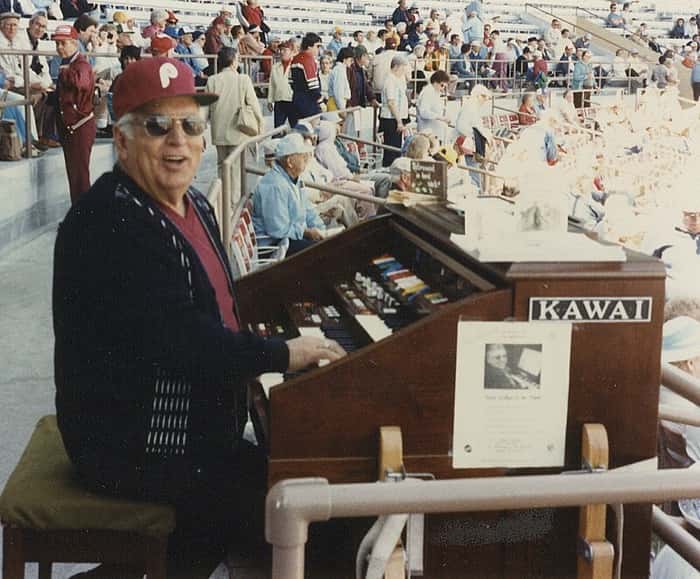
Something magical happened at Wrigley Field on April 26, 1941—the Chicago Cubs introduced a live organist to a Major League Baseball stadium for the very first time. Nobody had ever tried anything like it before, and the fans absolutely loved it. What started as a bold experiment quickly wove itself into the fabric of the sport, as dramatic musical cues and beloved ballpark melodies transformed how people experienced America's pastime. Baseball would never sound the same again.
Picture a typical pre-1941 ballgame: the sharp crack of a bat connecting with a pitch, roaring crowds, and the distant shouts of vendors hawking peanuts and hot dogs. That was your soundtrack, and nothing more. Everything shifted on April 26, 1941, though, when the Chicago Cubs decided to do something no Major League Baseball team had ever done—bring a live organ into Wrigley Field.
The idea behind it was brilliantly simple: fill the quiet stretches with music, fire up the crowd, and amplify the excitement of every play. Ray Nelson sat down at the keys and won over the audience almost instantly. The response was so overwhelmingly positive that Wrigley Field went ahead and installed a permanent organ just a few months later—turning a daring experiment into a lasting tradition that gave the ballpark an entirely new energy.
It didn't take long for the rest of baseball to catch on. Team after team adopted the organ in the years that followed, and soon it was inseparable from the sport itself. The unmistakable "Charge!" fanfare, personalized walk-up songs, and the beloved singalong of "Take Me Out to the Ball Game" all became part of the fabric. Baseball transformed from a spectator sport into a fully immersive experience—one where fans didn't just watch the game but felt its pulse through music, reshaping the culture of the sport along the way.
Fun Facts:
- The debut took place during a game between the Chicago Cubs and the St. Louis Cardinals.
- The organ used in 1941 was only temporary, but it got such a good reaction that a permanent one was installed by the following season.
- The tradition inspired other ballparks to add organs, creating the soundtrack of American baseball.
- Nancy Faust, the longtime organist for the Chicago White Sox, helped modernize organ music in sports starting in the 1970s.
- Today, even with digital sound systems and pre-recorded music, many stadiums still keep a live organist – honoring a musical tradition that began on a spring day in 1941.