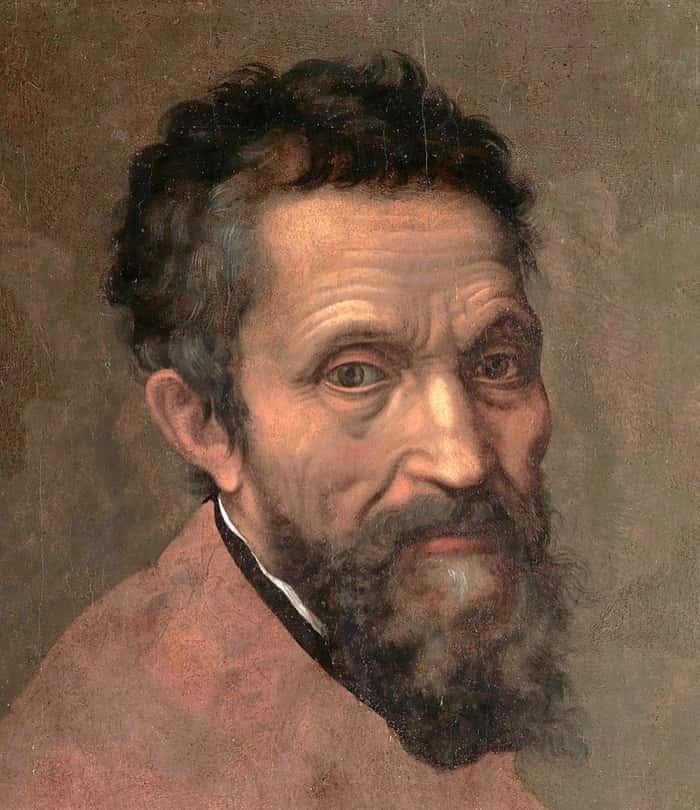
On April 24, 1503, Michelangelo's artistic journey reached a defining crossroads. Cathedral authorities handed him an extraordinary assignment: the creation of twelve marble apostle statues destined for the Florence Cathedral. Though the project would never reach completion, this commission left a lasting imprint on his trajectory — giving rise to the haunting, unfinished statue of St. Matthew and ultimately setting the stage for his move to Rome.
What exactly did this commission entail? On April 24, 1503, Michelangelo Buonarroti took on one of the most ambitious sculptural undertakings of his career. The Cathedral of Santa Maria del Fiore needed twelve marble Apostle sculptures, and he was the man chosen to bring them to life. The religious organization behind the project envisioned establishing divine grandeur right at the heart of Florence. By this point, Michelangelo was already building a formidable reputation — his Pietà in Rome had drawn widespread admiration, and he was deep into work on David, a piece commissioned by the Florentine government.
Of all twelve life-size marble Apostle figures spelled out in the contract, just one ever progressed beyond the earliest stages of production. That lone survivor — the unfinished St. Matthew — now resides in Florence's Galleria dell'Accademia. The figure remains visibly imprisoned within its marble block, its surface bearing the raw scars of chisel marks. For Michelangelo, this was more than an abandoned work; the creative process itself spoke to something deeper — a trapped essence struggling to emerge, a vision of transmuted potential.
Michelangelo was a man pulled in many directions. In the same year, Pope Julius II called him to Rome for what would become the fateful tomb commission — a project that eventually drew him into painting the Sistine Chapel ceiling. Between funding shortfalls, political entanglements, and constantly shifting priorities, the Apostles never stood a chance of being finished. Even so, the incomplete St. Matthew endures as a powerful testament to Michelangelo's talent at its most raw and personal — a tantalizing window into an unrealized masterwork.