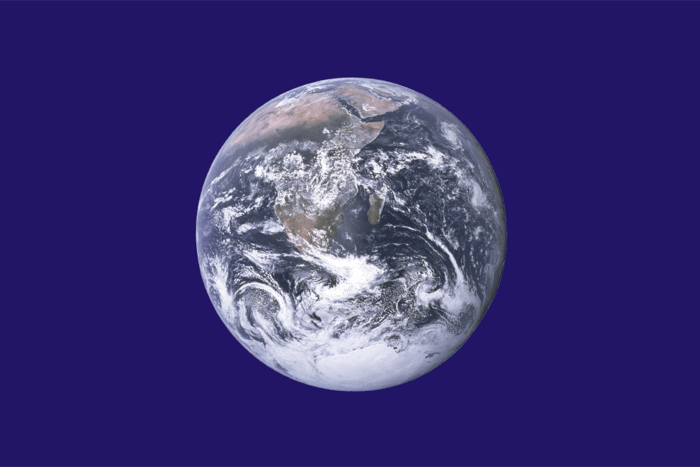
On April 22, 1970, following a century and a half of breakneck industrial expansion, the very first Earth Day emerged as a beacon of hope for the future of environmental conservation. Across the nation, a remarkable 20 million Americans took to the streets in protest, driven by a pressing desire to safeguard the environment and promote sustainability.
In the years leading up to Earth Day, Americans were cruising around in oversized, gas-guzzling vehicles that ran on leaded gasoline. The automobile industry, meanwhile, showed no fear of legal repercussions as it pumped smoke and sludge freely into the air. Perhaps most striking of all, air pollution was commonly seen not as a threat but as a proud symbol of a community's economic success and prosperity.
Gaylord Nelson, Wisconsin's junior senator, had spent years deeply concerned about the deteriorating condition of the American environment. When a massive oil leak struck Santa Barbara, California, in January 1969, he witnessed the devastation firsthand — as did countless others. Eager to harness the swelling public outrage over air and water pollution, Senator Nelson saw an opportunity to channel the energy behind student anti-war demonstrations into something new. To bring his vision to life, Senator Gaylord Nelson recruited Denis Hayes, a young activist, to help organize campus teach-ins and scale the effort up to a national movement. April 22 was deliberately chosen because it fell neatly between spring vacation and final exams, maximizing the likelihood of strong student turnout. Hayes went on to build a coast-to-coast team, bringing together a diverse coalition that included religious congregations and environmental advocacy groups. Once the event was christened Earth Day, it captured the public imagination and drew widespread national media coverage almost instantly.
The ripple effects of this landmark occasion were enormous — it directly spurred the establishment of the Environmental Protection Agency and paved the way for sweeping environmental legislation like the Clean Air Act and the Clean Water Act. In the decades since, Earth Day has grown into a worldwide movement, galvanizing more than one billion people annually to take part in environmental advocacy.