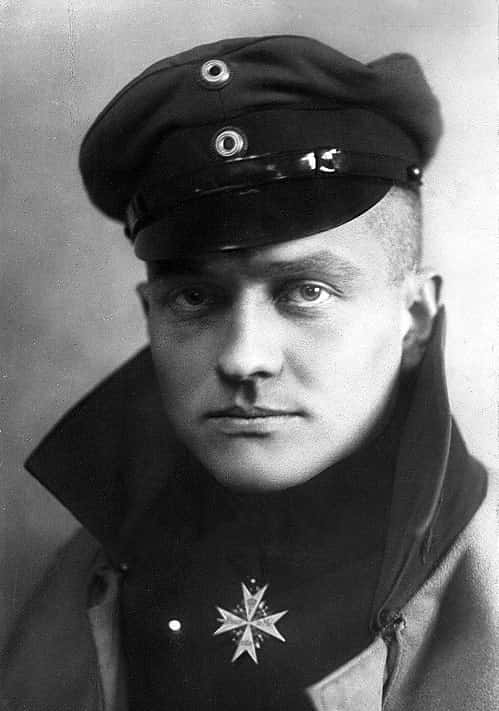
It was April 21, 1918, when Captain Manfred von Richthofen — known the world over as the "Red Baron" — climbed into the cockpit for what would be his final flight. Flying low near the Somme River in France, he led his famed "Flying Circus" into a dogfight with Allied aircraft. His iconic red Fokker Dr.I triplane, celebrated for its agility, couldn't save him this time — Australian machine gunners on the ground sent bullets tearing into his aircraft. Though severely wounded in his chest, Richthofen somehow pulled off a rough landing in a field near Vaux-sur-Somme, where he died from his injuries.
This was all unfolding against the backdrop of Germany's Spring Offensive, a desperate push for victories before American forces could reach full operational strength. Richthofen had already secured his legacy as commander of Jagdgeschwader 1 during World War I, racking up an astonishing 80 confirmed aerial victories — the war's highest tally. Flying that vibrant red airplane with an aggressive combat style that was impossible to ignore, he had earned both the deep respect and genuine fear of Allied pilots.
After the crash, Allied forces recovered Richthofen's body and afforded him full military honors. To this day, controversy persists about who actually fired the fatal shot — was it Canadian pilot Roy Brown from the air, or Australian ground gunners from below? While his death dealt a blow to German morale, it ultimately failed to shift the war's momentum, as Allied air superiority only continued to grow throughout 1918. Wreaths adorned his grave, marked with a simple but poignant tribute: "To Our Gallant and Worthy Foe."
Decades later, the Red Baron still stands as aviation's most iconic figure:
- His kill record stood until WWII.
- The "Flying Circus" became the model for modern fighter wings.
- His death marked the end of chivalric "knights of the air" combat.
- Modern forensic studies confirm the fatal bullet entered from below.