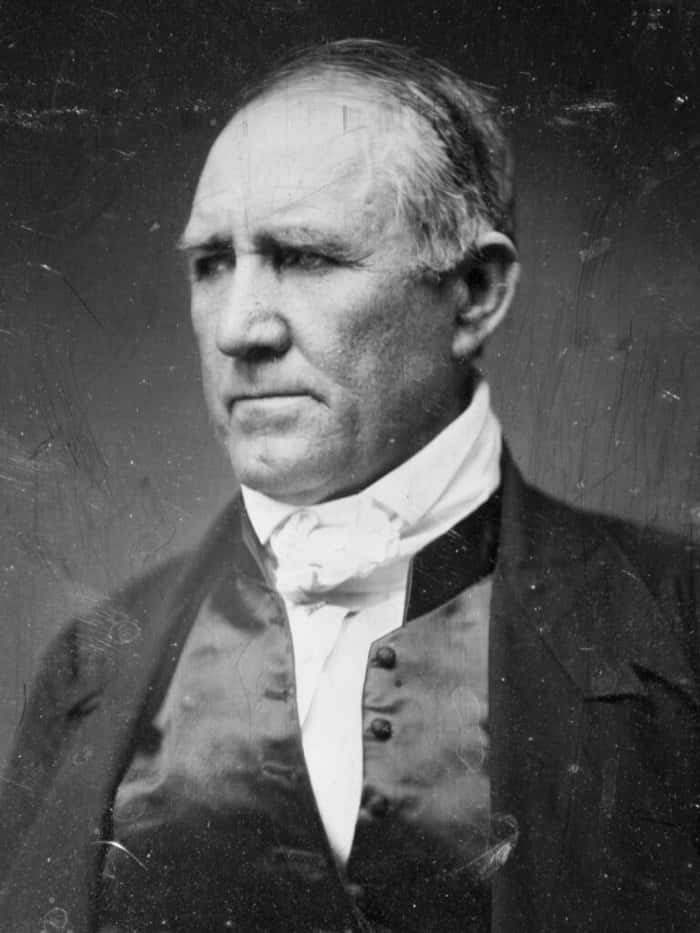
It's hard to overstate just how dramatically the afternoon of April 21, 1836, reshaped the future of an entire region. Near the San Jacinto River, General Sam Houston led his Texan forces in a stunning surprise assault on the Mexican army. The attack kicked off at 4:30 pm and was over in a mere 18 minutes — yet its consequences were enormous. With just 900 soldiers, General Houston's forces overwhelmed the 1,400 troops commanded by General Santa Anna, catching them completely off guard as they rested that afternoon. Charging forward with the cries "Remember the Alamo! Remember Goliad!", the Texans invoked the memory of recent Mexican victories where nearly all Texan defenders had been slain. When the dust settled, the vast majority of Mexican soldiers had been killed, wounded, or captured, while fewer than 40 Texan casualties were recorded.
What made the Battle of San Jacinto so consequential was its role as the decisive clash in a six-month struggle between Texan and Mexican forces known as the Texas Revolution. The conflict had its roots in General Santa Anna's decision to abolish Mexico's existing federalist constitution. Devastating Texan losses at the Alamo on March 6 and at Goliad on March 27 had left the revolution's prospects looking bleak. Rather than engage immediately, General Houston retreated eastward, gathering recruits while Santa Anna made the fateful choice to split his military troops. That tactical error exposed the Mexican leader to exactly the kind of blow that followed. The triumph at San Jacinto didn't just reverse those earlier defeats — it secured Texan independence outright, as the captured Santa Anna was compelled to sign the Treaties of Velasco, though Mexico would later reject these agreements.
The day following the battle, General Santa Anna was found disguised as a common soldier and taken prisoner. Held under duress, he issued orders for all remaining Mexican troops to pull out of Texas territory. What emerged was the Republic of Texas, a fully independent nation that would stand on its own for nine years until U.S. annexation in 1845. That annexation, in turn, directly contributed to the Mexican-American War (1846-1848), given that Mexico never recognized Texas's independence.
Today, the ground where this fateful engagement took place is preserved as the San Jacinto Battleground State Historic Site, home to a 567-foot monument — the world's tallest war memorial. Every year, Texans mark San Jacinto Day in recognition of a battle that:
- Established Texas as a sovereign nation
- Demonstrated the effectiveness of surprise tactics
- Created lasting cultural identity markers for Texans
- The victory's legacy persists in Texas' distinct political culture and emphasis on independence.