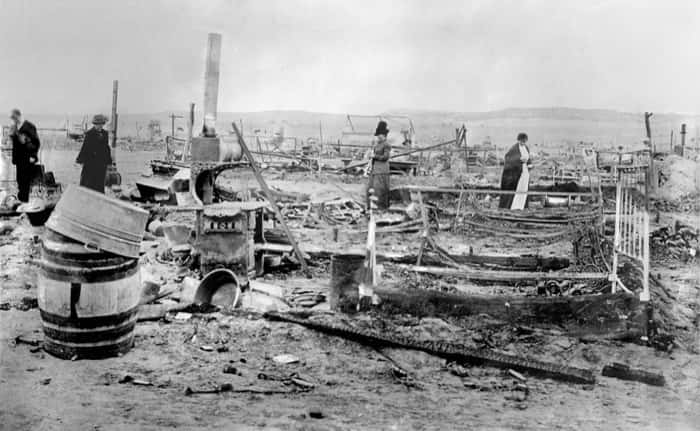
Few episodes in the history of American labor conflict carry the weight and tragedy of what happened in Ludlow, Colorado, on April 20, 1914. Known as the Ludlow Massacre, this devastating clash between guardsmen and strikers claimed the lives of men, women, and children — and forever altered the trajectory of labor movements across the United States.
Coal miners in the early 20th century endured brutal working conditions. Immigrant laborers toiling under the control of Colorado Fuel & Iron faced dangerous environments, earned inadequate wages, and had no form of representation. Anyone who dared push for unionization or improved work standards risked being blacklisted or terminated outright. When the United Mine Workers of America backed a strike in southern Colorado in 1913, the workers put forward three fundamental demands: equal pay, safer working conditions, and the right to unionize. The response from the companies was ruthless — thousands of miners, along with their families, were evicted from the homes they owned.
What unfolded on April 20, 1914, turned an already dire situation into an outright catastrophe. The National Guard launched an assault on the tent encampment, and that night, a fire set by guardsmen took the lives of two women and eleven children. Outrage swept the nation as demonstrations erupted in response to the Massacre. Media coverage cast John D. Rockefeller, Jr., the principal mine owner, as a villain in the public eye, a narrative that shaped opinion powerfully as the strike dragged on into December.
Miners responded with swift and furious retaliation. Over a 10-day stretch, a wave of violent reprisals rolled through southern Colorado, with attacks launched against mines and fierce combat waged against guards. It took the intervention of President Woodrow Wilson, who dispatched federal troops, to finally restore order. By laying bare the terrible conditions workers endured, the Massacre galvanized public support for workers' rights nationwide. Although no one was ever held responsible, the event proved pivotal — strengthening the American Union movement and driving considerable labor reforms.
The Ludlow Massacre stands as a lasting memorial to working people who gave everything in the fight for fundamental rights, fair treatment, and dignity on the job. A monument now marks the site where lives were lost, honoring their sacrifices for generations to come. In the wake of this tragedy, public sentiment shifted dramatically in favor of workers' rights and the broader labor movement. The reforms and actions that followed were instrumental in shaping the labor protections we rely on today.