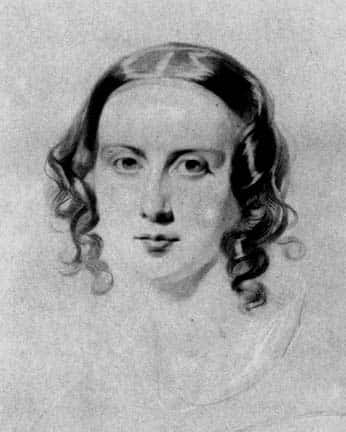
On April 2, 1836, Charles Dickens — widely regarded as one of the Victorian era's greatest literary figures — wed Catherine Thomson Hogarth in a ceremony at St. Luke's Church in Chelsea, London. What began that day would evolve into a union marked by remarkable literary achievement, adventure, and no small amount of personal turbulence.
The couple's story started in 1834, when Dickens was earning his living as a journalist at the Morning Chronicle. Catherine's father, George Hogarth, served as the paper's editor and had built a reputation as a well-connected music critic. Dickens became a regular visitor to the Hogarth home, growing close not only to Catherine but also to her sisters, Mary and Georgina. An engagement followed in 1835, and the wedding came a year after that. At just 24 years old, Dickens stood on the cusp of literary stardom. His first major work, The Pickwick Papers, was rolling out in monthly installments, and the literary world was taking notice of a talented new voice — it was a period brimming with excitement and possibility.
After the ceremony, the newlyweds retreated to Chalk, Kent, for a short honeymoon before making their home at Furnival's Inn in London. Their household grew quickly — over the years, Dickens and Catherine would welcome ten children together, beginning with Charles Dickens Jr., who was born in January 1837. In those early years, Catherine was instrumental in bolstering Dickens's writing life and social obligations, frequently joining him on his travels. Yet keeping pace with Dickens proved exhausting. His rising fame brought relentless work, public readings, and a whirlwind social calendar, all of which took a toll on their marriage.
As Dickens's professional stature climbed ever higher, cracks in the marriage widened. By the 1850s, he had grown increasingly detached from Catherine and had found companionship with Ellen Ternan, a young actress — a connection that deepened the rift between husband and wife. In 1858, after 22 years together, the couple formally separated. The split became a public spectacle: Catherine left the household, taking just one of their ten children with her, while her sister Georgina Hogarth remained at Dickens's side to help care for the rest. Dickens himself fueled the publicity by releasing a letter in which he denied any wrongdoing, all while casting subtle blame on Catherine for the marriage's collapse.