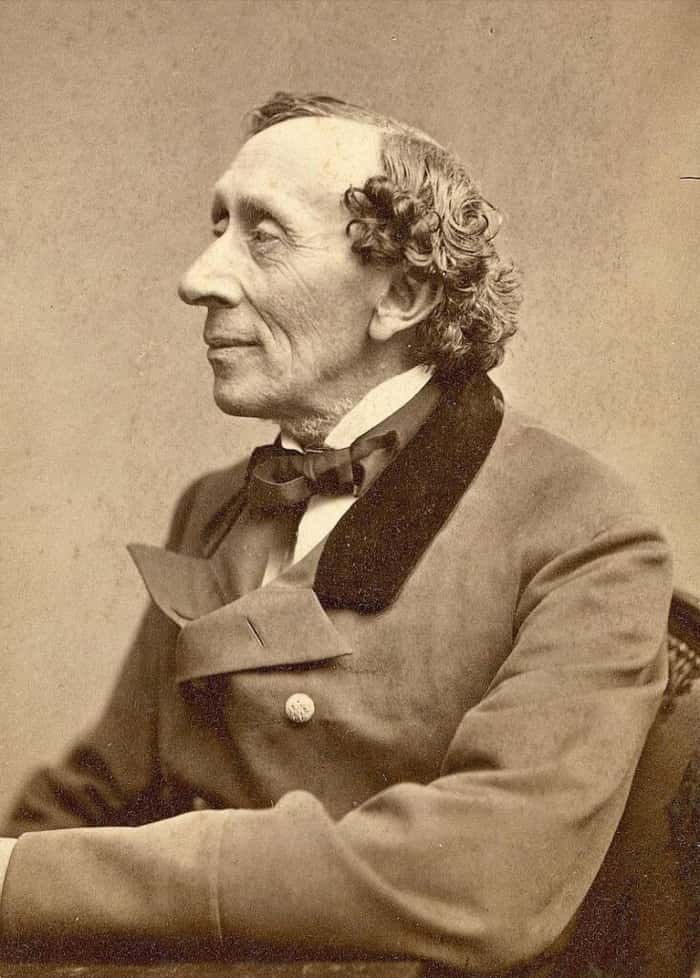
On April 2, 1805, in the city of Odense, Denmark, the world welcomed a storyteller whose imagination would captivate millions. Hans Christian Andersen, now celebrated as one of the greatest fairy tale writers of all time, went on to shape literature, theater, and film across the globe.
Growing up in poverty as the child of a shoemaker and a washerwoman, Andersen's early life was anything but easy. Yet his father sparked a love of storytelling in the young boy by reading to him from One Thousand and One Nights, while his illiterate mother gave him something equally powerful—an unwavering sense of perseverance. The stage called to Andersen from a young age; he harbored dreams of making it as an actor or singer. At just 14 years old, he left home for Copenhagen to chase those ambitions. He managed to secure brief performances at the Royal Danish Theatre, but when his voice changed, his aspirations for a career on stage came to an abrupt end.
Poetry, plays, and novels flowed from Andersen's pen during his early career, yet it was his fairy tales that catapulted him to international fame. Fairy Tales Told for Children (1835), his debut collection, introduced the world to stories such as The Tinderbox and The Princess and the Pea. While critics greeted these tales with skepticism at first, readers—children in particular—fell under the spell of his vivid imagination. What set his work apart from conventional fairy tales was a willingness to explore melancholic themes and craft tragic endings, elements drawn from the hardships he had personally endured.
Throughout his lifetime, Andersen penned an astonishing 156 fairy tales. Among the most cherished are:
- The Little Mermaid
- The Ugly Duckling
- The Emperor's New Clothes
- The Snow Queen
- The Steadfast Tin Soldier
Fame spread across Europe for Andersen, who counted Charles Dickens among his friends. His creative legacy reached far beyond the printed page, fueling ballets, operas, films, and beloved Disney adaptations. With his works now translated into over 125 languages, he stands as one of the most widely read authors in human history. In a fitting tribute to the man who breathed life into fairy tales, April 2nd is observed each year as International Children's Book Day, honoring his extraordinary contribution to children's literature.