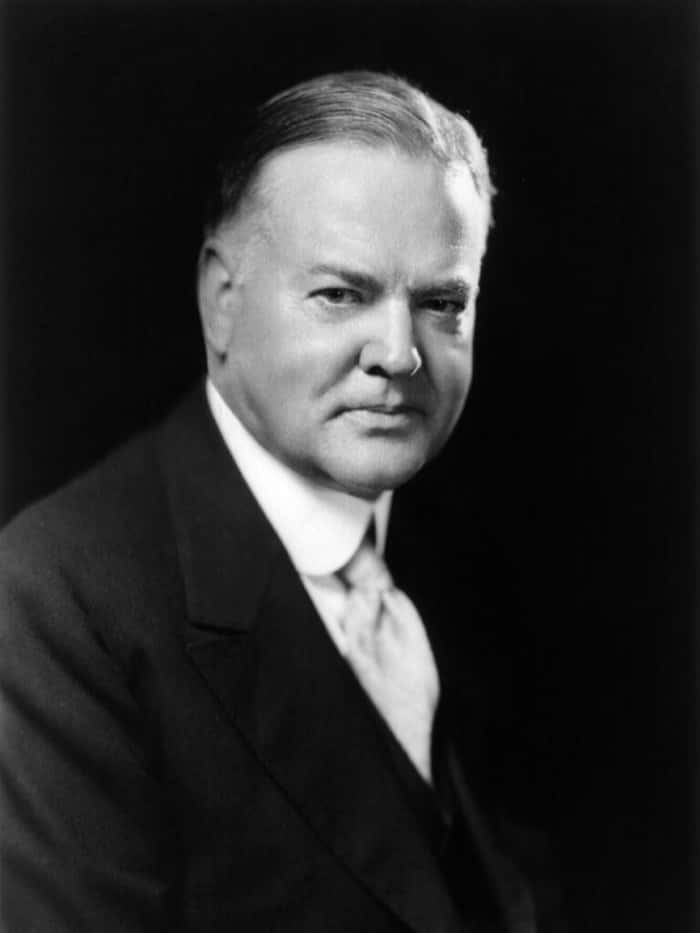
Hard as it might be to believe, there was a time when suggesting people work only five days a week was considered a downright revolutionary idea. On April 19, 1932, Herbert Hoover, the 31st president of the United States, put forward a bold proposal: shorten the work week as a way to tackle the surging unemployment gripping the nation during the Great Depression. His reasoning was straightforward — if businesses operated fewer days, they would need to bring on additional employees to cover the workload.
While it would take years before this concept became the norm, the proposal Herbert Hoover championed left an enduring mark on labor policy and ultimately helped shape the modern work week as we experience it today. The Great Depression was ravaging the American economy, unemployment was skyrocketing, and countless families were desperate for any source of income. By spreading available work across a larger number of employees, Hoover hoped to provide relief to those struggling households.
Reactions to the idea were decidedly mixed. A good number of business owners pushed back, worried that fewer working days would translate directly into lower productivity. Yet labor unions and progressive reformers threw their unwavering support behind the proposal, passionately making the case that a shorter work week would not only boost worker well-being but also foster greater economic stability.
Fun Facts:
- Before the 1930s, most workers had a six-day work week, with Sunday as the only day off.
- Hoover's suggestion aimed to combat widespread unemployment during the Great Depression.
- The five-day, 40-hour work week became federal law in 1938 under the Fair Labor Standards Act, a landmark legislation establishing minimum wage, overtime pay, and child labor standards. This act was a significant step towards ensuring fair working conditions for all Americans.
- Today, the legacy of Hoover's proposal lives on as discussions continue about further reducing the work week. Some countries even test four-day work week models, sparking new conversations about work-life balance and productivity.
- Though Hoover's proposal didn't immediately take effect, it paved the way for labor reforms that shaped the modern work schedule. His forward-thinking approach remains relevant as debates over work-life balance continue today.