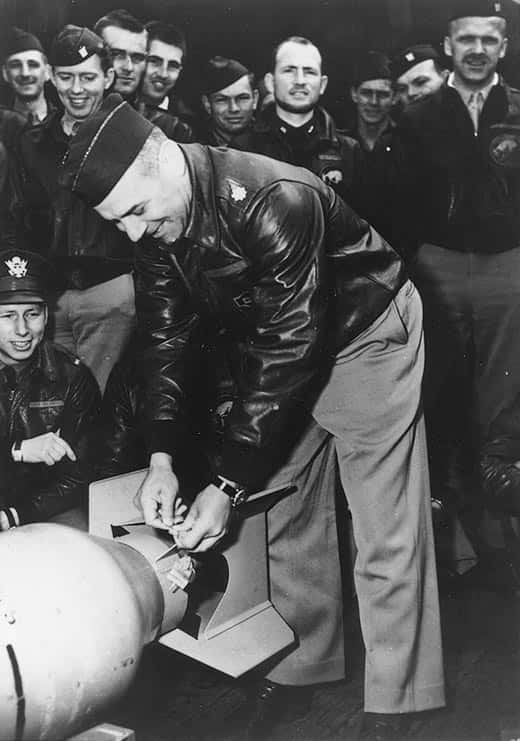
Sixteen American bombers did something almost unthinkable on April 18, 1942 — they lifted off from an aircraft carrier in the Pacific and headed straight for Japan. Just months removed from the devastating strike on Pearl Harbor, Lieutenant Colonel James Doolittle spearheaded the first U.S. air raid against the Japanese homeland. The actual physical damage inflicted? Relatively minimal. But as a psychological blow, the mission was enormous, shattering the notion that Japan existed safely out of America's reach.
Careful planning and bold strategic vision made this audacious operation possible — and it would go on to reshape both American morale and the broader trajectory of the Pacific War. Born out of the urgent need to respond to Pearl Harbor, the mission sent sixteen B-25 bombers, crewed by five men each, roaring off the deck of the USS Hornet into the open Pacific. Their targets: vital military installations and industrial sites scattered across Tokyo, Yokohama, and several other cities. Landing back on the carrier was never an option for the bombers, so the plan called for crews to press on toward China, where they would either touch down or bail out over friendly territory.
The physical toll on Japan may have been modest, but the raid's psychological consequences ran deep. Japan found itself compelled to redirect valuable resources toward defending the homeland, and the attack played a major role in shaping the fateful decision to strike Midway Island — setting the stage for the war-changing Battle of Midway. Back home in the United States, Americans who had endured months of grim news and painful setbacks in the Pacific finally had something to rally around.
Fun Facts:
- The raid was launched from the USS Hornet, with bombers taking off at an unprecedented distance from Japan.
- Fuel shortages meant crews had no choice but to crash-land in China or eject from their aircraft. Many were aided by Chinese civilians, though some fell into Japanese hands.
- James Doolittle initially believed the mission was a failure, but he was awarded the Medal of Honor for his leadership.
- The raid directly influenced Japan's decision to attack Midway, a turning point in the war.
- Doolittle's Raid proved that Japan was not invulnerable and demonstrated America's resolve in the Pacific War.