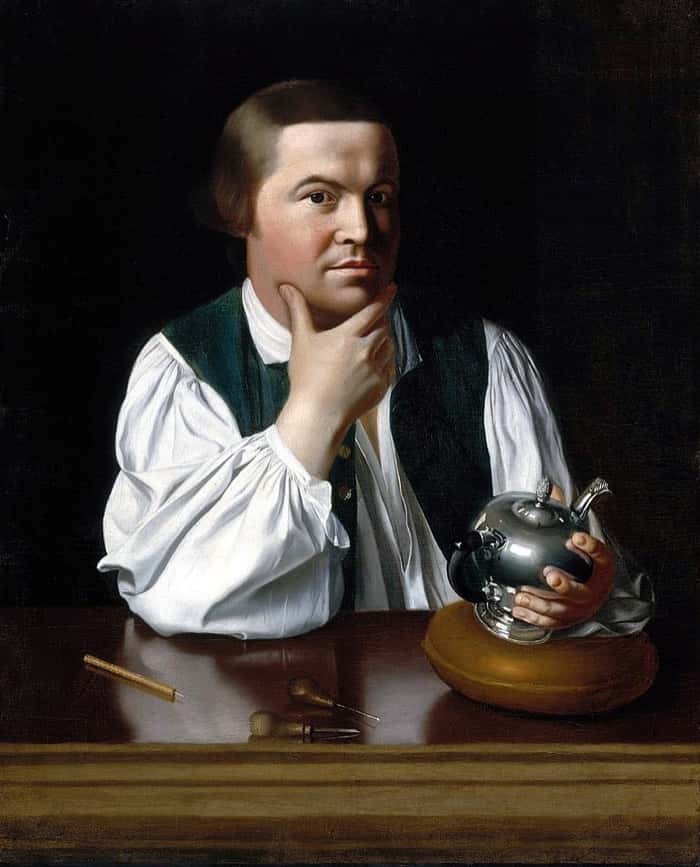
During the late-night hours of April 18, 1775, Paul Revere set off on a bold and urgent ride from Charlestown, headed for Lexington. What drove him into the darkness? A singular, critical purpose: warning colonial leaders that British troops were on the move. Racing through the countryside, he stirred local militias into action, setting the stage for the Battles of Lexington and Concord — the very first engagements of the American Revolution.
The alarm Revere raised did far more than inform — it galvanized the patriot cause. His warning pulled communities together and gave them precious time to prepare for the coming confrontation, giving the struggle for independence a strong, coordinated beginning. And that iconic phrase so many associate with him — 'The British are coming' — wasn't actually what he shouted. His real words were 'The regulars are coming out!', a far more specific alert that conveyed the immediate threat of attack.
Revere didn't act in isolation. He was one piece of a larger coordinated effort among riders charged with sounding the alarm across the region. Before he even mounted his horse in Charlestown, two lanterns had been hung in Boston's Old North Church — a signal that British forces were approaching by sea. As he rode hard toward Lexington, his priority was reaching Samuel Adams and John Hancock, both pivotal leaders in the revolutionary movement.
British troops did manage to detain Revere before his ride was through, but by then it hardly mattered — his warning had already spread far and wide. Thanks to a remarkable collective effort, fellow riders picked up where he left off, carrying the message forward so that colonial militias stood prepared when British forces reached Lexington at dawn on April 19.
Fun Facts:
- Paul Revere did not ride alone; William Dawes and Samuel Prescott also carried the warning.
- The famous phrase "The British are coming!" was unlikely used, as most colonists still considered themselves British.
- British troops briefly captured Revere but were later released.
- His ride directly contributed to the colonial militias' ability to mobilize against British forces.
- Paul Revere's midnight ride remains one of the most celebrated moments in American history, marking the beginning of the Revolution and the fight for independence.