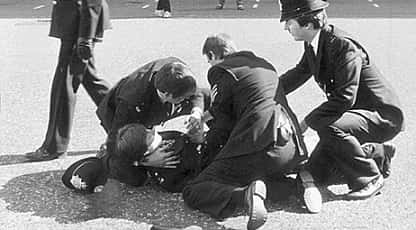
What happened in London's St James's Square on April 17, 1984, was nothing short of a defining moment — one that would fundamentally alter the diplomatic relationship between the United Kingdom and Libya. As demonstrators gathered for a peaceful protest against Gaddafi, 25-year-old PC Yvonne Fletcher held her position with courage and duty. Then, gunfire erupted from within the Libyan embassy, striking her fatally and sending shockwaves through the nation. Within eleven days of PC Yvonne Fletcher's murder, Britain had expelled Libyan diplomats from the country, though it would take until 1986 before full diplomatic ties were officially cut.
What followed the shooting was a tense, armed standoff lasting 11 days, with British police encircling the embassy as those inside invoked diplomatic immunity. Witnesses described seeing muzzle flashes from the embassy windows, and forensic analysis later confirmed that the deadly shots had indeed originated from inside the building. Yet despite this damning evidence, the Libyan staff departed Britain under the shield of diplomatic protection — a development that ignited widespread public fury. The entire episode laid bare just how dangerously diplomatic immunity could be exploited to protect perpetrators of violence.
In the two years separating the 1984 shooting from the complete breakdown of relations in 1986, the situation between the two nations deteriorated further. Britain moved to impose economic sanctions, and Libya found itself connected to additional acts of violence, among them the 1985 bombing of a London synagogue. The breaking point arrived when the U.S. carried out airstrikes against Libya in April 1986, and Britain pointed to Libya's history of aggression — the Fletcher case chief among them — as grounds for its decision. Under Thatcher's resolute leadership, Britain became the first Western nation to sever relations entirely with Gaddafi's government, a rupture that would endure for 15 years until 1999.
To this day, the killing of PC Fletcher stands as one of the most notorious unsolved crimes in British history. Although the Libyan government ultimately provided compensation to her family in 1999, not a single individual has ever faced prosecution for her death. The tragedy prompted a lasting overhaul of diplomatic security protocols around the world and ushered in stricter regulations governing embassy activities. Near the site where she fell, a memorial tree stands quietly — a poignant testament to how the violence of one April morning sent ripples through international relations that are still felt today.