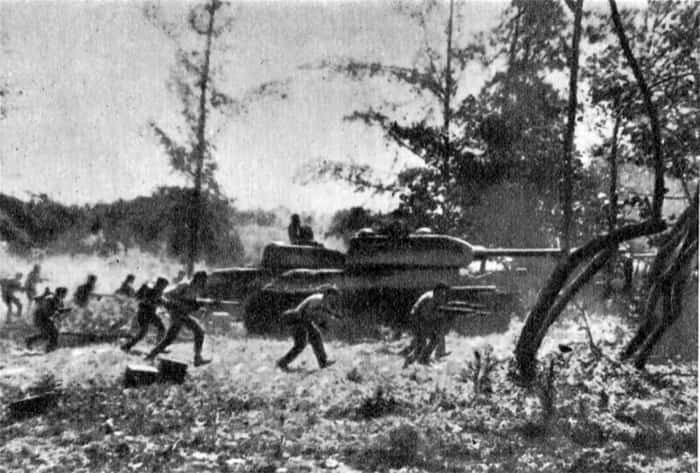
In the early hours of April 17, 1961, Brigade 2506—a determined group of 1,400 Cuban exiles who had been trained and equipped by the CIA—stormed ashore at Cuba's Bahía de Cochinos (Bay of Pigs). Their objective was nothing less than toppling the communist government of Fidel Castro, an audacious undertaking by any measure. Yet despite the courage of those involved, the operation fell apart in just three days as Cuban forces launched wave after wave of counterattacks, cementing the episode as one of the most consequential failures in the agency's history.
A series of fatal miscalculations sealed the operation's fate. CIA planners had banked on the landing igniting a widespread popular revolt, but the Cuban populace largely stood behind Castro. At the last minute, crucial U.S. air support was called off, leaving the exile force dangerously vulnerable. Making matters worse, Cuban forces had been tipped off about the invasion and marshaled 20,000 troops backed by Soviet tanks. By April 20, the invaders had been killed, captured, or driven into the surrounding swamps.
Though the botched operation represented a significant failure, it yielded hard-won lessons about military planning and the dangers inherent in Cold War brinkmanship. Castro emerged from the crisis with strengthened authority inside Cuba and drew closer to the Soviet Union—a shift that helped lay the groundwork for the 1962 Cuban Missile Crisis. When President Kennedy publicly acknowledged the operation as an enormous mistake, it underscored a critical takeaway: covert operations demand a thorough understanding and genuine respect for the adversary's capabilities.
For modern scholars, the Bay of Pigs remains an essential case study in military planning and Cold War risks. Among Cuban exiles, the invasion endures as a permanent traumatic possibility, while Castro's regime has long held it up as a defining narrative of revolutionary success. To this day, the events at the Bay of Pigs offer powerful lessons about what happens when intelligence assessments fall short and geopolitical judgments prove flawed, continuing to shape how nations approach international relations.