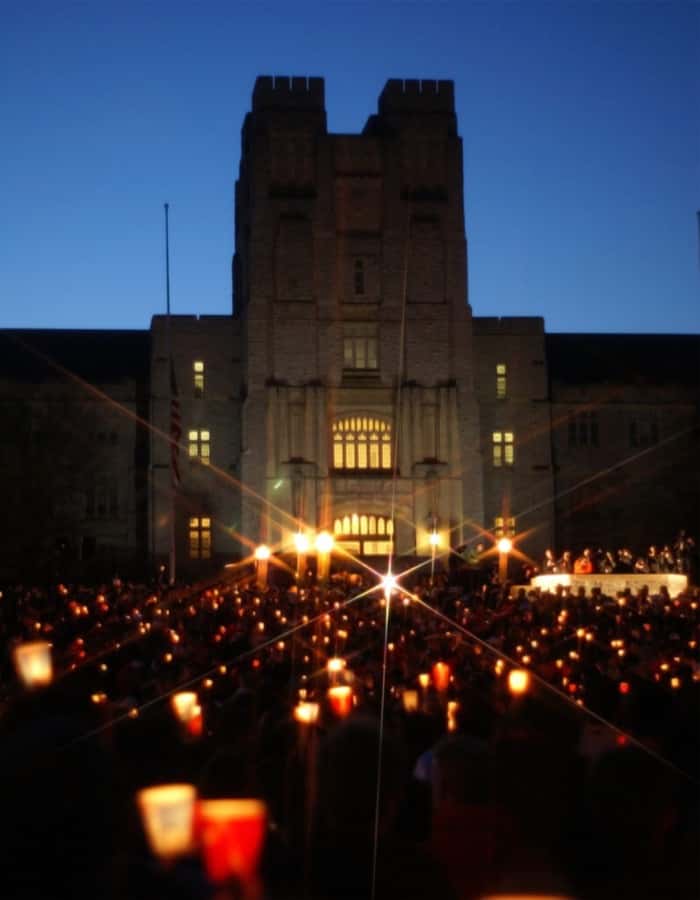
On April 16, 2007, a typical morning unfolded at Virginia Tech as students filed into their classrooms — none of them imagining that their campus was about to become the scene of the deadliest school shooting in U.S. history. Gunfire first erupted at the West Ambler Johnston dormitory, taking the lives of two students, before a far more devastating attack unfolded at Norris Hall Engineering building. By the time the violence ended, thirty-two students and faculty members had lost their lives. Seventeen others sustained serious injuries during the assault carried out by Seung-Hui Cho, who took his own life as law enforcement closed in.
What happened at Virginia Tech jolted the entire country into confronting glaring security failures on college campuses. Despite shooting incidents that had begun in the early morning hours, the university did not alert students until 9:26 AM — a delay that sparked intense national debate over emergency preparedness. That debate drove sweeping changes to safety protocols across American higher education, underscoring just how profoundly the Virginia Tech shooting reshaped national policies.
In the aftermath, deep anguish surfaced over the failures of both mental health intervention systems and firearms purchasing procedures. Seung-Hui Cho had been diagnosed with severe anxiety disorder since his youth, yet he was able to pass regular background checks and legally acquire two handguns. His mental health history exposed troubling gaps in the reporting system — gaps that existing laws had failed to close, allowing him to buy firearms without restriction.
Rather than being consumed by grief, the Virginia Tech community transformed their pain into a force for lasting change. A permanent tribute — the April 16 Memorial — was created on campus, featuring 32 Hokie Stones inscribed with the victims' names. Annual commemorative events, including the widely attended 'Run in Remembrance,' became cherished traditions. Far from remaining solely a source of despair, this tragedy became a catalyst for strengthening mental healthcare services on campus and advancing nationwide active shooter preparedness programs, offering a sense of hope amid profound adversity.