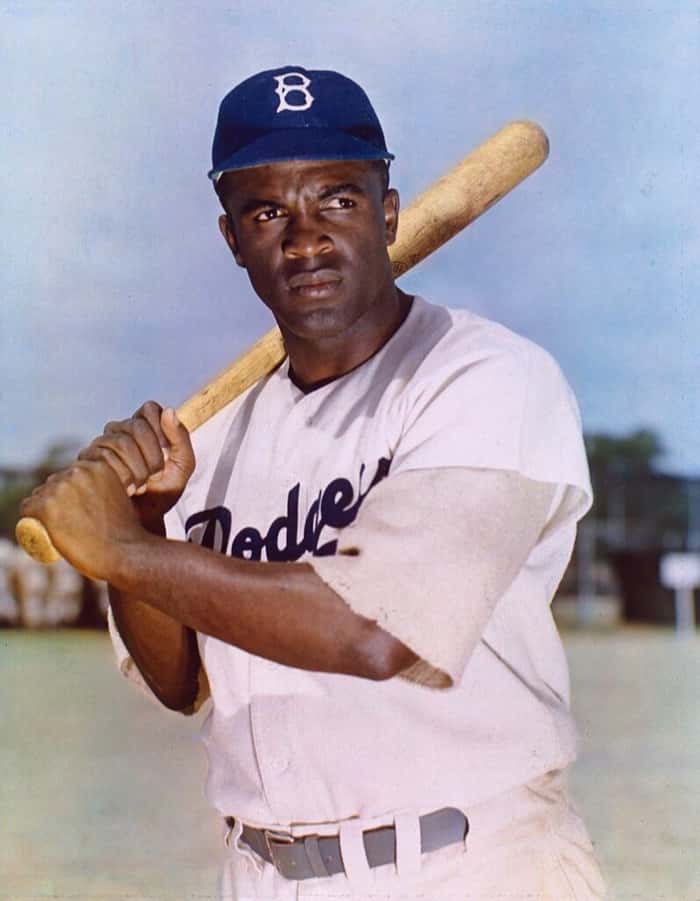
When Jackie Robinson stepped onto the diamond at Ebbets Field on April 15, 1947, wearing a Brooklyn Dodgers uniform, he didn't just take the field — he shattered baseball's color barrier and threw down a challenge to racial segregation across professional sports. Playing first base in a game against the Boston Braves, Robinson's debut became a watershed moment that extended far beyond baseball, sending powerful ripples through the larger Civil Rights Movement and igniting transformative change.
The path to that groundbreaking day started back in 1945, when Branch Rickey, the Dodgers' general manager, handpicked Robinson from the Negro League's Kansas City Monarchs. A spectacular 1946 season with the Montreal Royals, the Dodgers' minor league affiliate, where Robinson posted a .349 batting average, cemented his case for the historic call-up. But the opportunity came loaded with extraordinary expectations — Rickey insisted that Robinson absorb racial hostility without fighting back for a minimum of two years. As Rickey memorably put it, "I'm looking for a ballplayer with guts enough not to fight back."
Robinson's resolve was pushed to its limits throughout that inaugural season:
- Rival players deliberately spiked him with their cleats
- Hotels turned away the Dodgers' black players
- Death threats became a regular occurrence
Despite all of this, Robinson thrived on the field, capturing Rookie of the Year honors with a .297 average, 12 home runs, and 29 stolen bases. His composed dignity in the face of vicious hatred, paired with his outstanding play, compelled both baseball and the nation at large to reckon with deep-seated racial prejudices.
Legacy
The moment Jackie Robinson suited up for the Dodgers on April 15, 1947, it became about something much bigger than a ballgame — it was a turning point in civil rights history. With unwavering grace and remarkable talent, Robinson dismantled baseball's color restrictions and paved the way for integration throughout professional sports. His extraordinary composure amid racist abuse and death threats during a Rookie of the Year campaign forced America to confront its own prejudiced attitudes. Beyond the diamond, Robinson threw himself into the fight for racial justice, delivering public speeches and emerging as a vital figure who bridged the worlds of athletics and social progress. Every year, MLB honors his impact through Jackie Robinson Day and the league-wide retirement of his number 42 — enduring reminders of how one person's courage turned a playing field into a powerful engine for equality, forever reshaping a nation.