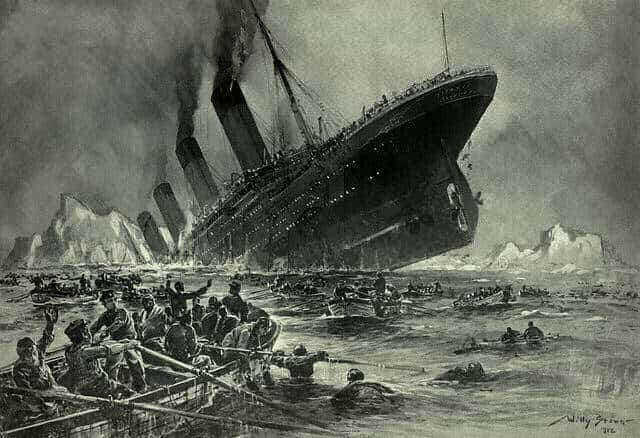
Among the most notorious seafaring catastrophes ever recorded, the sinking of the RMS Titanic claimed its place in history during the early hours of April 15, 1912. The vessel had struck an iceberg in the North Atlantic late on the night of April 14, cutting short its eagerly awaited maiden voyage. Operated by the White Star Line, the opulent ocean liner had set out from Southampton, England, bound for New York City.
The Titanic had been celebrated as "practically unsinkable," yet the iceberg inflicted damage far beyond what the ship's engineering could endure. By 2:20 AM on April 15, the great vessel had broken apart and slipped beneath the frigid waters for good. The human toll was staggering — of the estimated 2,224 passengers and crew aboard, more than 1,500 lost their lives, a catastrophe made worse by an insufficient number of lifeboats and the deadly cold of the ocean.
Facts about the Titanic Disaster:
- Stretching an impressive 882 feet in length, the Titanic represented the height of luxurious ocean travel — a floating palace that dazzled all who beheld it.
- At 11:40 PM on April 14, the ship made contact with the iceberg, sustaining fatal damage along its hull.
- Of the 20 lifeboats available, a troubling number were sent away only partially filled, dramatically increasing the death toll.
- In the wake of the catastrophe, the RMS Carpathia became a symbol of salvation, arriving hours later to pull around 710 survivors from the sea.
- Sweeping maritime reforms followed the tragedy, among them stricter lifeboat requirements and mandatory 24-hour radio monitoring.
- More than a century on, the Titanic's story still holds the world in its grip — a powerful testament to human ambition, heartbreaking loss, and the enduring need for safety at sea.