On April 13, 1970, what had been a smooth NASA mission suddenly became a fight for survival. Only two days after launch, a routine stir of an oxygen tank onboard the Apollo 13 spacecraft set off a catastrophic explosion. The blast ripped through the service module, crippling the ship's capacity to generate power and supply oxygen. In the tense moments that followed, the crew radioed back a message destined to echo through the annals of space history: "Okay, Houston, we've had a problem."
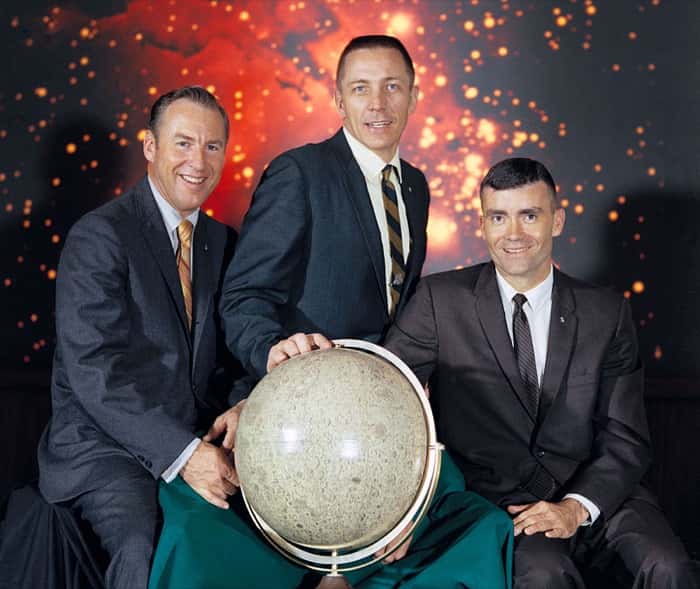
The mission had lifted off on April 11 with every intention of becoming the third crewed landing on the lunar surface. Jim Lovell, Jack Swigert, and Fred Haise made up the crew, and their destination was the Fra Mauro highlands on the Moon. Spirits were high, courage and determination evident in every exchange. Then, at 55 hours into the flight, everything changed in an instant.
The root cause was an internal defect lurking inside oxygen tank No. 2, undetected since preflight tests. A short circuit ignited the tank's insulation, and the explosion that followed vented both oxygen tanks in the service module—reserves that were essential not only for breathing but also for powering the ship's fuel cells. With their command module, Odyssey, in critical condition, the three astronauts were forced to retreat into the lunar module, Aquarius. It was a vessel built to keep two people alive for two days, yet Mission Control now faced the daunting task of stretching its resources to sustain three men over four days.
Back on Earth, teams of engineers and flight controllers threw themselves into round-the-clock work, cobbling together improvised solutions to keep the crew alive. Perhaps the most legendary of these efforts was the construction of a makeshift carbon dioxide scrubber adapter, fashioned from duct tape, a plastic bag, and whatever materials were available onboard—a stroke of ingenuity that arguably meant the difference between life and death. With any hope of a Moon landing abandoned, Apollo 13 swung around the far side of the Moon and began its long trek home. Freezing temperatures, dehydration, and gnawing uncertainty tested the astronauts at every turn, yet their resilience never wavered. On April 17, the crew splashed down safely in the Pacific Ocean to jubilant celebrations that spanned the globe.
The Moon remained out of reach for Apollo 13, yet the mission endures as what many call NASA's finest hour—a testament to resilience, brilliance, and sheer human determination when catastrophe loomed large. More than anything, it demonstrated that space exploration demands problem-solving every bit as much as it demands science.