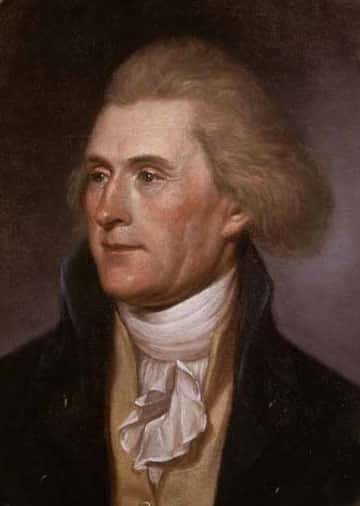
On April 13, 1743, the Piedmont region of Virginia became the birthplace of Thomas Jefferson — a man who would emerge as one of the most intellectually gifted Founding Fathers in American history. His formative education at the College of William & Mary immersed him in Enlightenment philosophy, a tradition rooted in reason, science, and individual rights. These ideas would profoundly shape how he came to think about self-government in America.
It was in 1776 that Jefferson first left his mark on the national stage, penning the Declaration of Independence at just 33 years old. In that landmark document, he articulated two foundational principles: governing powers and human equality. Yet a painful contradiction shadows this achievement — Jefferson himself practiced slavery, standing in stark moral opposition to the very ideals he enshrined. The document nonetheless became a guiding framework for the young nation. Later, serving as president from 1801 to 1809, he orchestrated the Louisiana Purchase, paying $15 million to acquire 828,000 square miles of territory and nearly doubling the size of America.
To this day, the contradictions woven through Jefferson's legacy spark heated debate. He crafted what many consider the most eloquent defense of human freedom in American history, yet over the course of his lifetime, he held more than six hundred people in slavery. In a remarkable twist of fate, Jefferson died on July 4, 1826 — precisely the 50th anniversary of the Declaration's release.
Jefferson's ideas and words continue to find their way into modern American political discourse with striking regularity. From the Jefferson Memorial in Washington to the University of Virginia's Rotunda, his architectural and intellectual contributions endure as lasting monuments. And his conviction that "the earth belongs to the living" still challenges contemporary generations to breathe new life into democratic principles.