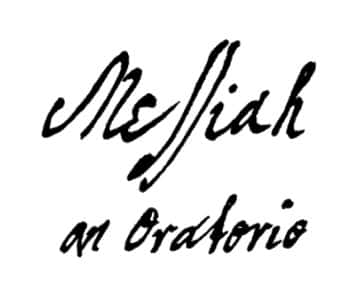
What would become one of the most celebrated works in all of Western music had its very first outing on April 13, 1742, when George Frideric Handel's oratorio "Messiah" was performed before an enraptured Dublin audience. Rather than gracing a grand concert venue, this now-iconic piece debuted in the relatively unassuming Great Music Hall on Fishamble Street.
By the summer of 1741, Handel was standing at a difficult juncture in his life. His London opera projects were struggling, and his physical well-being was in decline. A fresh start came in the form of an invitation to stage a concert series in Dublin, which he eagerly accepted. Amid this period of both personal and professional turbulence, Handel managed to compose "Messiah" in a remarkable span of just 24 days. The work's libretto was the creation of Charles Jennens, who wove together passages from the King James Bible into a reflective meditation on the life and meaning of Jesus Christ.
Excitement surrounding "Messiah" reached a fever pitch before the doors even opened. So intense was public demand that the venue's management issued an unusual plea: ladies should leave their hooped dresses behind, and gentlemen should come without their swords. The goal behind this extraordinary request was simply to squeeze in as many people as possible, which only heightened the sense of occasion. In the end, more than 700 eager listeners packed themselves into the hall for the Dublin debut of this brand-new oratorio.
A relatively small ensemble brought the work to life, lending the occasion an air of closeness and immediacy. The vocal forces consisted of a choir drawn from St. Patrick's and Christ Church cathedrals—26 boys and five men—performing alongside soloists Christina Maria Avoglio (soprano) and Susannah Cibber (contralto). Handel himself directed the orchestra, which was made up of strings, two trumpets, and timpani, giving the entire affair a deeply personal character.
Audiences and critics alike responded with rapturous enthusiasm. One contemporary account captured the mood perfectly, declaring, "Words want to express the exquisite delight it afforded to the admiring and crowded audience." The event also served a charitable purpose, with proceeds going to support several local charities. Curiously, when "Messiah" reached London for its premiere the following year, it received only a lukewarm response. Time, however, has rendered a very different verdict—the oratorio has risen to become an enduring pillar of the choral repertoire and a towering testament to musical genius.