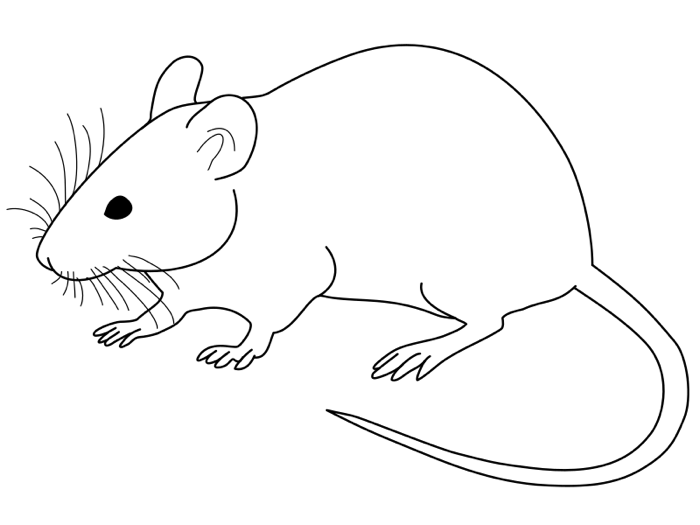
On April 12, 1988, U.S. Patent 4,736,866 was awarded for the OncoMouse — marking the very first time a genetically modified animal had ever received patent protection. What made these mice so remarkable? They carried an active cancer gene that rendered them extremely prone to developing cancer. Scientists believed this trait would make the OncoMouse an invaluable tool for advancing cancer research. Beyond the science itself, this trailblazing patent opened up wide-ranging conversations about ethics, innovation, and where genetic research was headed, effectively ushering in a bold new chapter for biotechnology.
The story behind the OncoMouse patent traces back to early 1983, when Philip Leder and Timothy Stewart, two researchers at Harvard University, began injecting known cancer genes into mouse embryos shortly after fertilization. This genetic modification did more than just raise the animals' cancer risk — it also guaranteed that the cancer genes would be passed down to future generations. The American chemical corporation DuPont was deeply involved in supporting this research, a contribution that ultimately earned it exclusive distribution rights after Harvard granted the business priority to license the patent.
Fierce legal and ethical battles erupted in the wake of the OncoMouse patent. Opponents raised concerns that granting patents on living creatures could pave the way for unethical genetic manipulation and reduce organisms to mere commodities. The patent went on to establish a benchmark for biotech intellectual property and played a role in lawsuits related to human DNA and other genetically engineered species. Adding another layer of complexity, while the United States approved the patent, both Canada and Europe rejected it on the grounds that higher life forms could not be patented — highlighting just how thorny the ethical landscape of genetic research had become.
Beyond revolutionizing cancer research, the OncoMouse triggered worldwide debate over how genetic patents should be handled. Its influence didn't fade when the patent expired in 2005 — to this day, it continues shaping intellectual property law and biomedical research. The creation of genetically modified laboratory mice stands as a watershed moment in the history of genetic engineering and biotechnology, and the OncoMouse patent remains a central piece of that ongoing story.