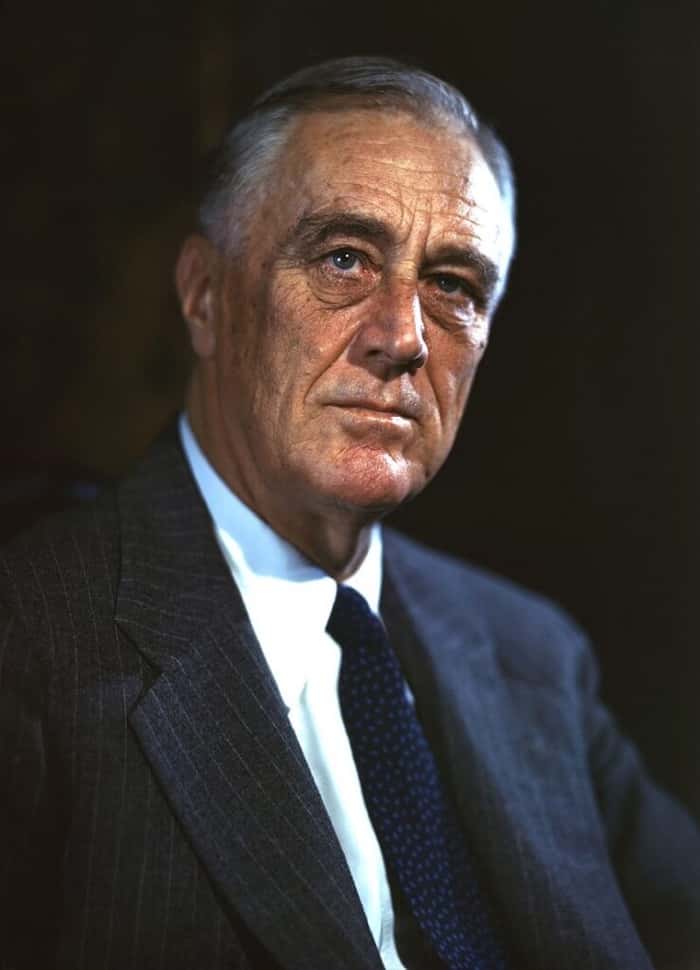
On April 12, 1945, Franklin D. Roosevelt died at the age of 63, and the world was suddenly without its most important leader. The news from Warm Springs, Georgia, triggered deep national mourning and sent waves of distress across the globe, uniting people on every continent in a shared sense of loss.
No president in U.S. history had been elected to office as many times as Roosevelt — four terms in all. Countless Americans who had depended on his steady guidance were left heartbroken. Harry S. Truman took the oath of office as the 33rd president and was thrust immediately into the enormous challenge of steering the country through the closing chapters of the war.
FDR's New Deal pulled Americans out of the Great Depression, a towering accomplishment whose impact we continue to recognize today. In doing so, he fundamentally reshaped the scope of executive power. He established the Civilian Conservation Corps, creating it to tackle both the threat of unemployment and the need for natural conservation to protect America's natural resources. As historical documents make clear, his leadership was the driving force behind the Allies' march toward victory during World War II.
In January 1945, Roosevelt began his fourth term as president — a milestone that no subsequent president could replicate due to term limitations. Over multiple years, Franklin's health had been in steady decline, burdened by heart failure, blood pressure issues, and the lingering effects of his history with polio. While sitting for a portrait, FDR was struck by a sudden headache and collapsed, losing consciousness as the painter stopped mid-work. He never woke up, and medical professionals pronounced him dead.
His passing came at a pivotal moment in history, yet Roosevelt's legacy of fortitude and advancement endures. The resilience he showed in confronting both personal and national challenges continues to serve as an inspiration. To this day, his vision and plans for a more prosperous and inclusive America shape the world we live in.