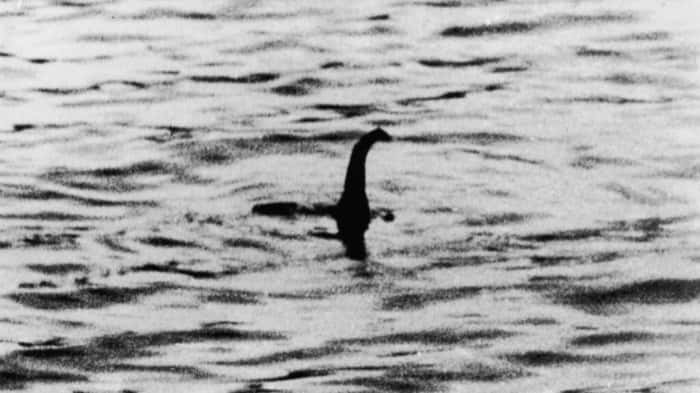
Cryptid enthusiasts around the globe know it simply as "Nessie," and The Loch Ness Monster continues to captivate those who track and document each new sighting. Situated in the Inverness region — home to numerous other Lochs — this body of water carries a mystery that stretches back centuries. The earliest recorded encounter may well have been woven into the kind of legend-building that transforms ordinary priests into Saints. Back in 565 A.D., during an era perfectly suited to the birth of myth and legend, Saint Columba was simply a priest bringing the Word of God to the local people. Today, in the 21st century, we recognize him as Saint Columba — but at the time, he was reportedly responsible for stopping a monster from devouring a person who had ventured too close to the Loch.
Saint Columba earned his Saintly status primarily through his efforts to bring Christianity to Scotland, yet the role of local legends and myths in that conversion process shouldn't be overlooked. For thousands of years, monsters have been deeply embedded in Scottish lore. One motif appears again and again across many monster-origin sightings: the image of a "horse-like creature." Adding to the intrigue, Scotland's vast bodies of water — known as Lochs — can actually be connected to one another underwater.
It wasn't until 1933 that the modern chapter of the Loch Ness Monster legend truly began. That year, a road was constructed to circumvent the Loch, offering drivers an extended, unobstructed view of the water. One day, a couple gazing out over Loch Ness spotted Nessie — the first reported sighting in modern history. Since that 1933 encounter, thousands of people have sworn they've seen the monster with their own eyes. Of course, Nessie is far from alone — it is just one among many so-called cryptids, the term coined for these cryptozoological animals.