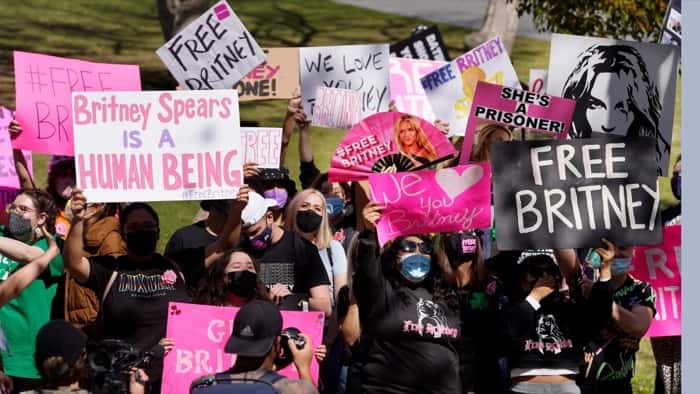
On November 12th, 2021, a Los Angeles courtroom delivered a ruling that would close one of the most talked-about legal chapters in modern celebrity history: the conservatorship governing pop rock star Brittney Spears was officially terminated. For a woman born on December 2nd, 1981, this marked a turning point — the forty-something singer/songwriter was finally recognized as a fully autonomous adult after years of court-mandated oversight. Spears has never been a stranger to headlines in the sensational entertainment world, and it was precisely that relentless public scrutiny that contributed to the conservatorship being imposed in the first place. The legal arrangement followed a series of startling incidents, including shaving her head and an impulsive marriage. But the bigger question lingered throughout — what exactly is a conservatorship?
Britney Conservatorship 101
Spears burst onto the scene in the nineties with a string of hit pop rock records that launched her into extraordinary fame and fortune. Throughout her rise, her managers had carefully guided her career trajectory — but friction grew when she began resisting their direction. Growing up as a Mississippi protestant, family was always central to her world. Her father, who served as her manager early on, would go on to exert control over her life for more than a decade.
The unraveling began when Spears refused to voluntarily relinquish custody of her children amid a highly publicized breakup with her celebrity husband, with their kids caught squarely in the crossfire. Invoking the "5150" law — a statute that permits the involuntary psychiatric hold of individuals deemed dangerous to themselves or others — her family placed her in a mental health facility. From there, the court transferred control of all of Spears' assets to her father. Yet even while living under the restrictions of the conservatorship, she continued recording albums and performing live, effectively generating income for everyone around her.