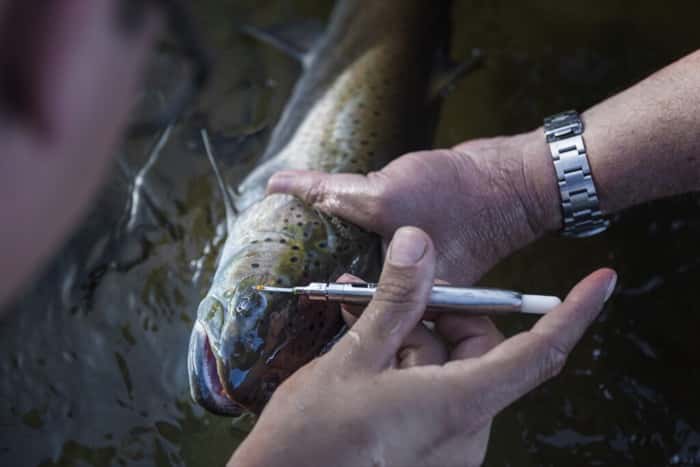
On February 24th, 2020, researchers stumbled upon something truly remarkable: a parasite capable of surviving without oxygen. What began as a routine look at salmon tissue samples turned into a groundbreaking moment — one that would reshape how we think about biology and the mechanics of evolution.
Unprecedented Findings
What makes this organism so extraordinary? Classified as a hypoxia-tolerant parasite, it can go without oxygen for stretches lasting up to two weeks! Scientists had previously noted this kind of resilience in certain fish species, but nobody expected to encounter it in a parasite like this one. The discovery opens a fascinating window into how living things can adjust to harsh surroundings — thriving even when confronted with punishing conditions like depleted oxygen levels or elevated temperatures.
Beyond the biological wonder, this finding throws a wrench into long-standing evolutionary assumptions. Until this point, the scientific consensus held that every life form depended on oxygen to survive; clearly, that idea now demands a serious second look! The potential ripple effects in medicine are equally staggering — research into this parasite could unlock new approaches to tackling diseases that struggle to persist under normal physiological conditions, including cancer or heart failure.
Impact on Salmon Farming
It's well established that salmon farming has taken a devastating toll on wild fish populations across the globe; yet this breakthrough could offer a path toward meaningful change. If we can manage the levels of hypoxia-tolerant parasites within farm environments, it becomes possible to mitigate the dangers tied to overcrowding and wastewater contamination — both of which fuel disease and mortality in farmed fish stocks! On top of that, this knowledge could be harnessed to shield wild fish from parasitic threats by designing specialized breeding tanks with low-oxygen conditions, allowing them to develop in safety without excessive exposure to harm!
A Step Forward For Science
When you step back and consider the bigger picture, this discovery is a treasure trove for understanding how organisms survive and evolve over time. It might look modest on the surface, but breakthroughs like this are exactly what propel science forward, one revelation at a time — inching us ever closer to unlocking the natural world's hidden mysteries! So let's mark February 24th not merely as a testament to what dedicated research can accomplish, but as a powerful reminder of why we must keep venturing into uncharted territory and daring to push beyond the limits of what we currently know.