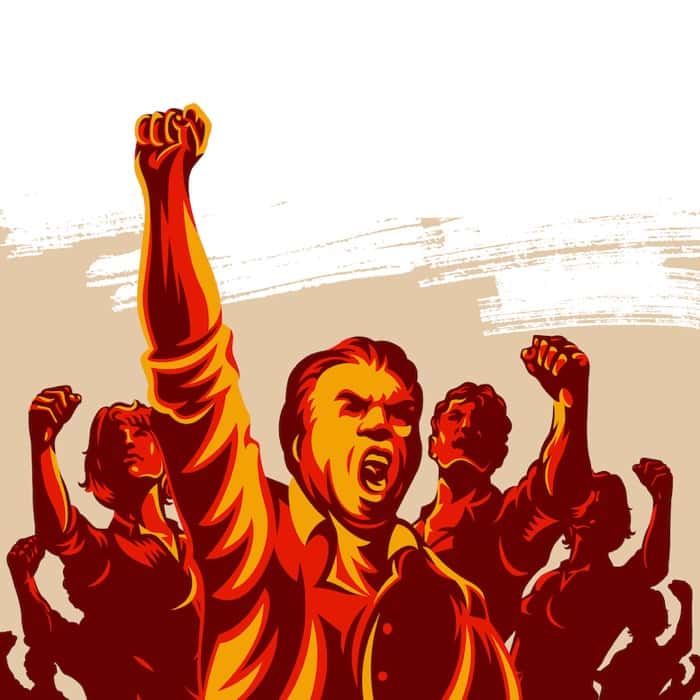
An estimated 1.3 million people flooded the streets of Hong Kong on this day in 2019, united in opposition to the controversial Extradition Bill.
Hong Kong's past is rich and complex. The territory, once a British colony, was transferred to the People's Republic of China in 1997 under the condition that it would maintain significant autonomy as a city-state until 2047. Fast forward to 2019, and a proposed extradition bill making its way through the legislature ignited what would become the largest protest movement in Hong Kong's history.
What Did the Extradition Bill Do?
The bill's formal title was the "Fugitive Offenders and Mutual Legal Assistance in Criminal Matters Legislation (Amendment) Bill 2019," and its purpose was to establish legal mechanisms allowing the Hong Kong government to transfer individuals within the autonomous city to Mainland China and territories under its jurisdiction. Once the public became aware of the proposal, a wave of criticism erupted — both domestically in Hong Kong and on the international stage. At the heart of this backlash was deep concern that the bill would undermine the legal protections designed to safeguard Hong Kong's citizens and preserve its self-governance.
Mass Protests Begin: June 9, 2019
Often referred to simply as the Hong Kong protests, the movement traces its roots to March, when smaller-scale sit-ins took place at the government's headquarters. But everything changed on the 9th of June, when a staggering 1.3 million people marched through the streets in opposition to the proposed legislation. Though the demonstrations were largely peaceful, tensions boiled over on the 12th of June — the day the bill was scheduled for a second reading and final debate, after Secretary of Security John Lee moved to circumvent its filibuster. Some 40,000 protesters encircled the Government Headquarters, successfully delaying the bill's progress. Police responded with rubber bullets, tear gas, and bean bag rounds. The public widely denounced this response as excessive police brutality, while the ruling government labeled the protest a "Riot." Authorities would later walk back that characterization, acknowledging that only 5 of those arrested had actually rioted.
"Spiraling Escalation" and the Aftermath
The events of the 12th of June did not mark the end — protests persisted, and violent confrontations between demonstrators and police grew increasingly frequent. On the 15th, Hong Kong's Chief Executive, Carrie Lam, declared the extradition bill suspended, though she stopped short of formally withdrawing it. That same day, Marco Leung Ling-Kit, a pro-democracy protester, fell 17 meters from scaffolding. The slogans he left behind would go on to form the basis of the movement's "Five Demands." Following more than three months of sustained protests and clashes with police, the Hong Kong government at last withdrew the bill on the 23rd of October.