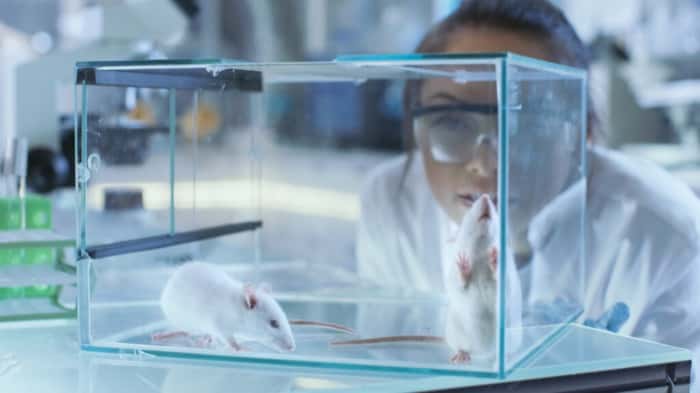
What if two brains could talk to each other — no words, no gestures, just pure neural signals? On February 28, 2013, a group of researchers pushed the boundaries of what seemed possible by wiring the brains of two rats together, forging a direct link between biology and cutting-edge technology. The groundbreaking experiment formed part of a broader initiative exploring whether living creatures could communicate directly through neurons and implantable electrode devices.
A Gateway Into Neural Communication
The project emerged from a collaboration between Harvard Medical School and MIT, built around the fascinating concept of 'neural coupling.' At its core, the idea proposes that two brains might be able to exchange information directly — bypassing all external channels entirely. Researchers designed the experiment to tackle two key questions: just how much data could flow between the neural networks of two animals, and what exactly was happening inside their brains as that information was being processed?
Implications for Neuroscience
What the team discovered was nothing short of remarkable. The connected rats were, in fact, able to share information through their linked brains — confirming that brain-to-brain communication between living creatures is achievable. The ramifications for neuroscience stretch far and wide. These findings offer fresh evidence about how our brains handle and interpret information, and they open the door to tantalizing possibilities — including, one day, direct communication between humans. Beyond that, such research could pave the way for novel treatments targeting neurological disorders like stroke or Alzheimer's disease, among other potential applications.
Leveraging Technology To Further Understanding
This landmark achievement has sparked a wave of continued investigation into brain-to-brain interfaces, fueling scientists' drive to decode how our brains function and discover their untapped potential. Neuroscientists are now actively exploring how tools such as wearable devices and artificial intelligence can deepen our knowledge and improve our ability to diagnose and treat neurological conditions. With each new study building on discoveries like this one, humanity may eventually unlock extraordinary capabilities — benefits that today we can barely begin to imagine.