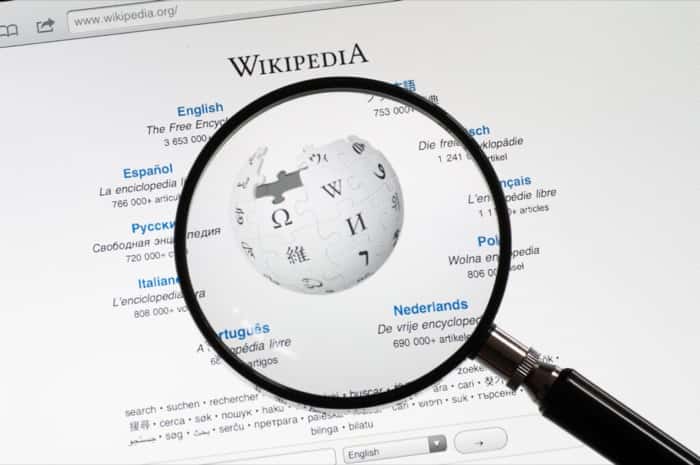
Wikipedia celebrates 22 years of existence! Over the course of those 22 years, countless people have had access to what feels like a limitless reservoir of knowledge, all thanks to the dedicated volunteers affectionately called "Wikipedians." The platform now features an impressive collection of over 60 million articles.
On January 15, 2001, Jimmy Wales and Larry Sanger took the official step of registering the Wikipedia domain. Before this pivotal moment, the pair had been collaborating on a different venture called "Nupedia." They ultimately shifted their focus to create an online encyclopedia powered by peer-verified content from external contributors — what we now know as Wikipedia. The original plan called for Nupedia to operate alongside Wikipedia, but over time, Nupedia was folded into the newer platform. Despite being constructed entirely through the efforts of volunteer writers and editors, Wikipedia drew in millions of students and learners who relied on it as a go-to reference resource.
The seeds of this idea were actually planted back in 1998, when Richard Stallman put forward a proposal for a similar open-sourced online encyclopedia — a concept that would eventually give rise to Wikipedia. Early on, Jimmy and Larry envisioned Nupedia serving as a companion to Wikipedia, functioning as an online encyclopedia curated exclusively by subject-matter experts. But Wikipedia's popularity surged so rapidly that maintaining Nupedia as a standalone resource no longer made sense, and the idea was abandoned.
Within just a few months, Wikipedia had already blown past Nupedia, amassing millions of articles across numerous languages. Today, the site hosts over 60 million articles available in various languages, with that linguistic diversity making it far more accessible to a global audience. According to data recorded by Comscore, Wikipedia draws over 117 million visitors from the United States alone. It stands as the largest and most-read reference source in history.