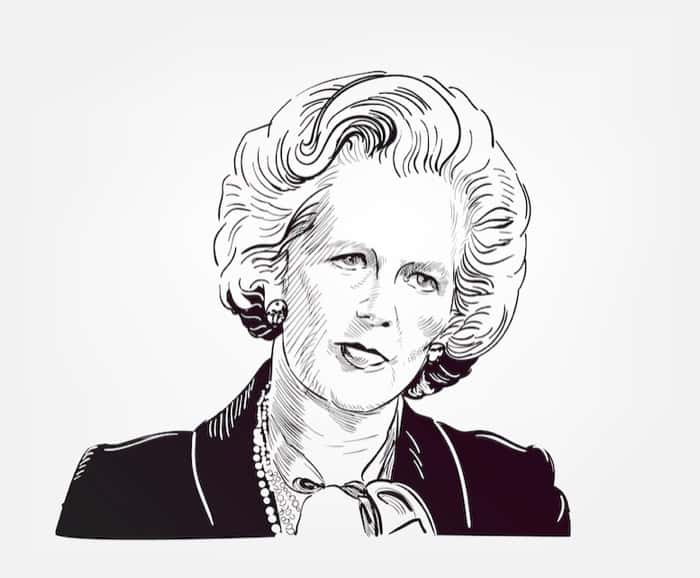
On June 11, 1987, voters across the United Kingdom headed to the polls for a general election that would make history. Margaret Thatcher secured a landmark victory, claiming the office of Prime Minister for a third consecutive term — a feat no woman had ever accomplished before. At the heart of her campaign were pledges to lower taxes, bolster national defense, and protect the country's currency.
Under Thatcher's leadership, the Conservative Party captured 347 seats in the House of Commons, cementing its status as the majority party. Margaret herself held onto her parliamentary seat in Finchley Constituency. In another historic milestone, the first Black members of Parliament in modern history won their seats during this same election.
The election outcome, however, sharpened the political divide between the country's two dominant parties. The Conservatives championed a vision of reduced taxation, a stronger economy, and a formidable defense apparatus. Geographically, the split was stark: regions in the South of the United Kingdom leaned heavily Conservative, whereas northern areas like Wales and Scotland remained staunch Labor Party strongholds. This deep regional polarization left the nation in a politically volatile state, posing significant challenges for governance.