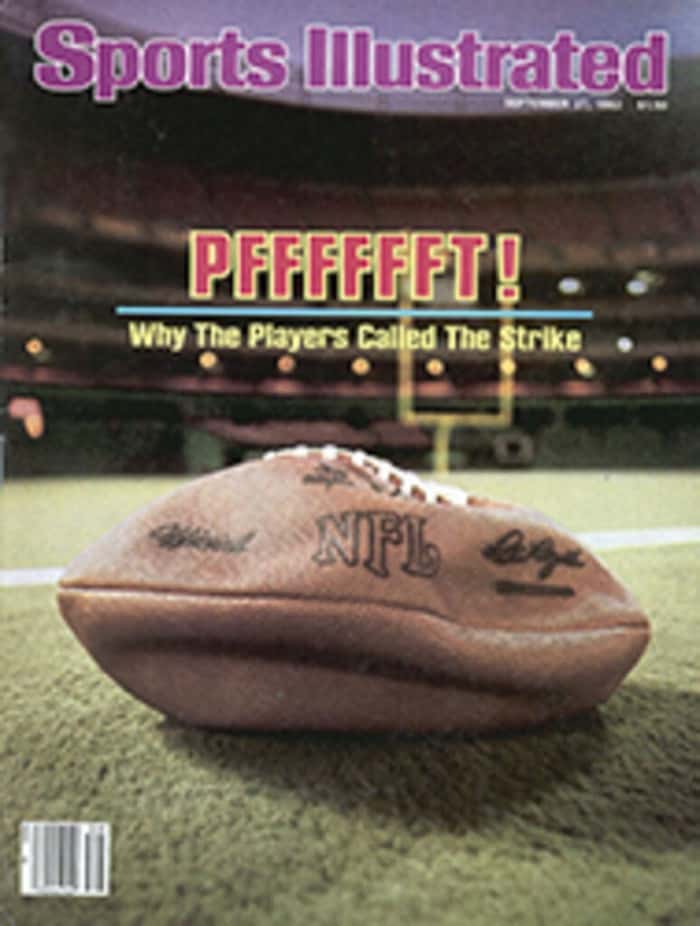
On September 21, 1982, members of the NFL players Union decided to walk off the job, leveraging the strike as a tool to pressure franchise owners into meeting their demands. At the heart of the dispute, the players association — led by Ed Garvey — pushed for its members to receive 55% of the NFL's gross revenues. Though the owners bristled at these demands, they ultimately conceded to most of them.
What became the longest strike in sports history dramatically reshaped the 63rd regular NFL season, slashing each team's schedule from 16 games down to just nine. Over the course of 57 days without play, franchise owners tried to keep the league running by recruiting replacement players to fill the void. That strategy, however, did little to protect the league's public image or maintain the quality fans expected.
So what exactly were the players fighting for? Their association laid out a list of demands that went well beyond the headline-grabbing 55% share of the league's gross revenues. They also sought a minimum salary structure tied to years of service, along with comprehensive insurance, medical, and retirement benefits. On top of all that, the deal included establishing a severance pay system designed to help retiring players make a smoother transition into new careers.
The Ed Garvey-led strike ultimately delivered some tangible wins for the players, but the financial toll on both sides was staggering. Franchise owners bore heavy losses, with an estimated $275 million in revenues and wages evaporating across the seven regular-season games that went unplayed. Players themselves weren't spared either — each one forfeited $15,000 per missed game.