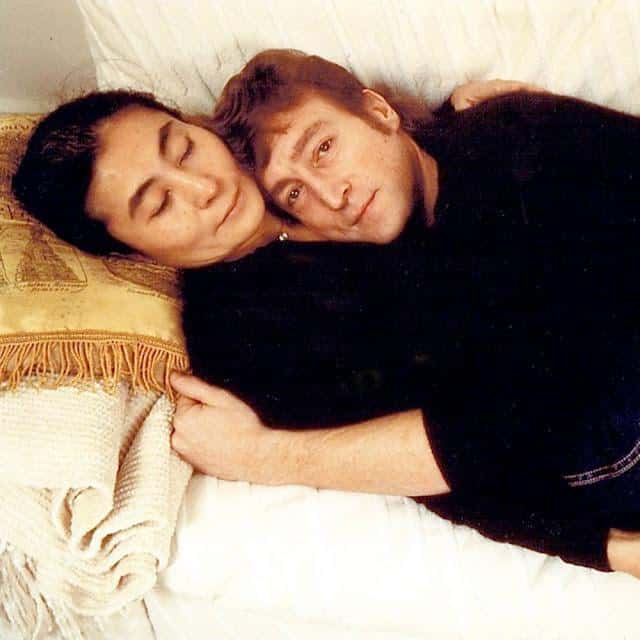
On December 8, 1980, renowned American portrait photographer Annie Leibovitz — celebrated for her striking celebrity images crafted for major magazine spreads — arrived for a planned photo session with John Lennon. She had given Lennon her word that the resulting image would grace the cover of Rolling Stone Magazine. What emerged from that session, though, defied her expectations and carried an almost prophetic quality. Tragically, the photograph would end up serving as a posthumous cover image, and a controversial one at that.
The Photo Shoot
As a member of the Beatles, John Lennon had climbed to the very pinnacle of the music world, becoming both a rock legend and a cultural icon along the way. The Beatles enjoyed a decade packed with hits before ultimately splitting up, with each member going on to pursue a solo path — the group never reformed. By this point, Lennon was riding high once more thanks to his solo album Double Fantasy, reclaiming his place at the summit of popular music. Getting back into the studio hadn't come easily, but fatherhood with a new son had reinvigorated his drive to create. Yet just hours after sitting for his session with Leibovitz, everything was shattered.
The Assassination
From the shadows emerged an unremarkable man who fired the shots that killed Lennon. This individual had spent several months meticulously planning the assassination, carefully identifying the optimal moment to strike. He made his move after Lennon wrapped up the photo shoot and headed toward the studio. The killer had tracked Lennon to the Dakota Apartment building — the home he shared with Yoko and his son Julian — and gunned him down as he walked to the car.
Lennon's Final Photo
That final session with Leibovitz, the Rolling Stone Magazine photographer, gave the publication one of its most unforgettable covers. In the image, a naked Lennon lay curled around Yoko, who rested on the floor fully clothed. Taken on its own merits, the photograph was already iconic. But paired with the devastating assassination that followed just hours later, the magazine cover transcended into something truly legendary.