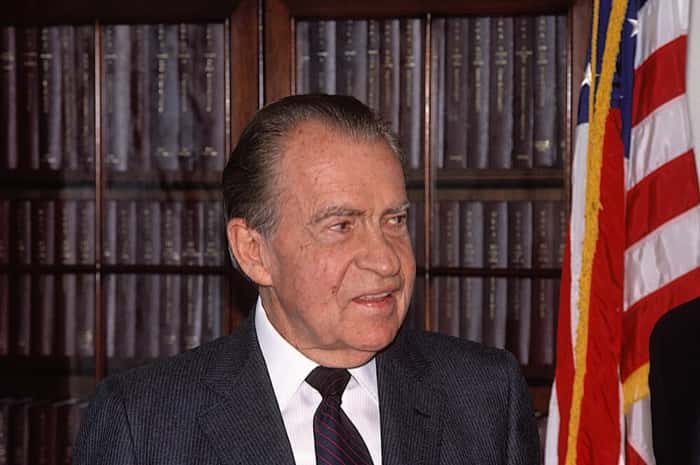
On August 8, 1974, President Richard M Nixon made the dramatic announcement that he would step down from the presidency. The decision came as impeachment loomed over him, driven by his entanglement in the infamous Watergate scandal.
It all traces back to June 17, 1972, when police arrested several burglars inside the Democratic National Committee offices at the Watergate complex of buildings. These intruders, who were caught stealing documents and wiretapping, turned out to have connections to the president's reelection campaign. Nixon tried to conceal his involvement in the affair, but persistent media investigation ultimately brought his role to light.
Facing both active impeachment proceedings and mounting pressure from the press and the American public, the president chose to address the nation. He delivered his resignation speech on August 8, 1974, at the Oval office, telling the country, "By taking this action, I hope that I will have hastened the start of the process of healing which is so desperately needed in America."
The very next day after his announcement to leave the White house, his presidency officially came to an end. On August 9, 1974, Nixon departed the white house by helicopter with his family, headed for San Clemente, California. As he left, the 37th president of the United States flashed his trademark gesture — arms raised in a peace salute and victory, a smile spread across his face.
Just minutes after President Nixon's departure from office on August 9, 1974, vice president Gerald R. Ford took the oath of office as the 38th president of the United States. The ceremony was held in the East Room of the White house.
Shortly thereafter, the new president addressed the nation with words that would become iconic: "My fellow Americans, our long national nightmare is over." In time, President Gerald pardoned the former president for his crimes, bringing the Watergate scandal to a definitive close.