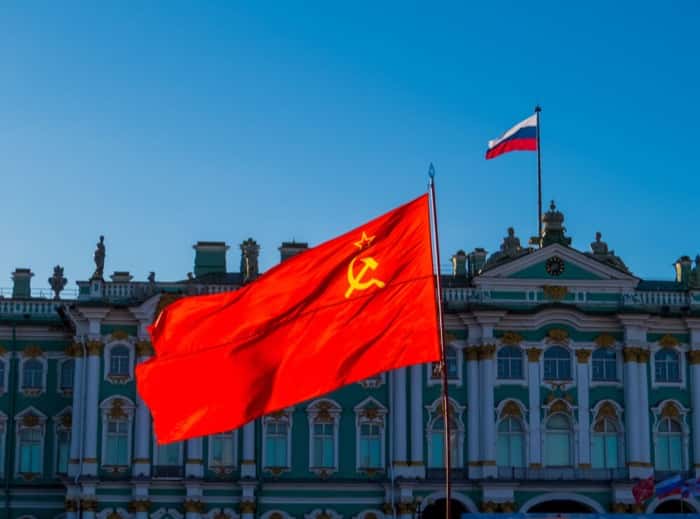
The organizers of the 1972 summer Olympics placed enormous weight on keeping the Games free from political influence. Yet when it came to showdowns between the US and USSR, politics were practically unavoidable — victories and defeats carried the weight of national pride for both superpowers, and certain Cold War–era Olympic clashes remain seared into collective memory for exactly that reason.
Among the most hotly debated of these encounters is the Men's Basketball final held on September 9th, 1972. For anyone who hasn't heard the story, here's the short version: the Soviet team edged past the Americans with a final score of 51 to 50.
What made this outcome so contentious was the game-winning 2-pointer itself — it came in the dying moments of the match under circumstances that remain fiercely disputed. The US squad argued they should have been declared the rightful victors, insisting that the clock had already expired before the decisive basket was scored.
The matter was referred to a five-person jury, which ultimately ruled in favor of the Soviet team over the Americans.
Far from resolving the controversy, that ruling only deepened it. Widespread speculation held that the three jury members considered sympathetic to the Soviet Union had sided with the Soviet team, while the two members seen as favorable to the US had backed the Americans — rendering the entire outcome, in the eyes of many, a product of political allegiance rather than fair judgment.
In protest, the US team flatly refused to accept their silver medals, standing firm in their conviction that the decision lacked legitimacy. To this day, not a single player has reversed that stance, and those unclaimed silver medals remain locked away in a Swiss vault.