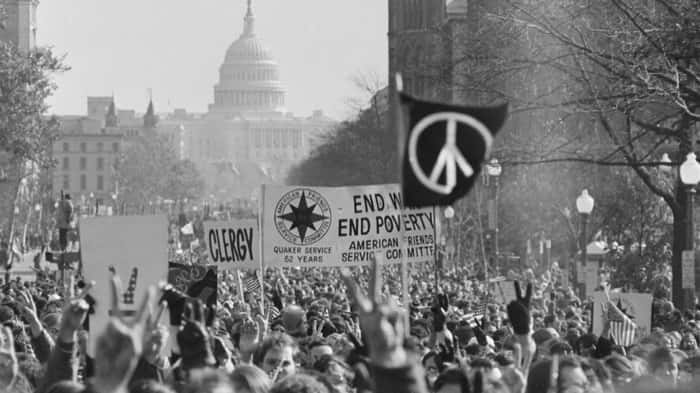
The Vietnam Moratorium Day stands as one of the most massive protest events in world History. Numerous nations held stakes in the Vietnam War, and this sweeping public demonstration served as a global declaration that enough was enough.
How the Moratorium Got Organized
Five key organizers brought the Vietnam Moratorium together: David Hawk, Sam Brown, David Mixner, Marge Sklenkar and John Gage. The spark for the movement came from Jerome Grossman, who had called for a general strike on April 20, 1969, should the war still be raging by October. It was Sam Brown, though, who took that energy and shaped it into the concept of moratorium protests — remarkable given that he was only 25 years old at the time. Brown brought experience from his work on Eugene McCarthy's unsuccessful presidential campaign, and he was determined to push the protests beyond university campuses and out into the broader community.
The Big Day
Across the US, more than 15 million Americans participated in the protest. In New York, the Vietnam Moratorium Day happened to fall on the same day as game four of the Baseball 1969 World Series — yet that didn't stop people from turning out. New York's mayor John Lindsay pushed for the flag at the Baseball game to be flown halfway, but the Baseball commissioner blocked the request.
What made the day truly remarkable was its peacefulness. Despite the intensity of emotion running through this nationwide protest, the entire ordeal remained calm and nonviolent, with participants united in expressing the deep sadness brought on by the war.
Did The Moratorium Work?
While protestors lined the stress, President Nixon chose silence. He carried on with his regular schedule that day, declaring, "Under no circumstances will I be affected." He went further, drawing a connection between policy made in the street and anarchy.
Nixon's formal response came on November 3, when he delivered his famous "Silent Majority Speech," appealing directly for the backing of the silent majority. The reaction was swift — the White House was flooded with an inordinate amount of supportive calls once the speech concluded. The volume of people calling simultaneously was so overwhelming that it actually jammed the phone lines.
The Vietnam War ultimately came to an end on April 30, 1975.