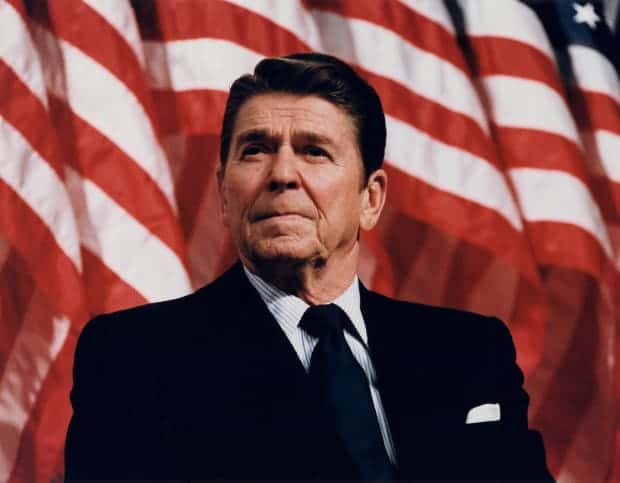
California witnessed a landmark moment on November 8, 1966, when its Gubernatorial election turned into one of the most lopsided political contests the state had ever seen. Ronald Reagan swept to victory in what was nearly a unanimous win, leveraging both his Hollywood stardom and undeniable political charisma to thoroughly outshine his opponent, Pat Brown.
Fun Facts:
- Before Ronald Reagan, the presidency had been occupied by former soldiers and lawyers — making him the first American actor to ascend to the nation's highest office.
- Ronald Reagan's challenger was Pat Brown, who came into the race as the incumbent California governor with deep political experience under his belt.
- Despite having previously promised voters he wouldn't pursue a third term, Pat Brown went back on that pledge. This broken commitment dealt a severe blow to his approval ratings and left him trailing far behind his rival.
- The Watts riots had further damaged Brown's standing with the public. The unrest was sparked when 21-year-old African American Marquette Frye was pulled over on suspicion of drunk driving. When he resisted arrest, officers reportedly struck him in the face and went on to kick a pregnant woman who was at the scene. What followed were six devastating days of chaos that caused $40 million in property damages. About 14,000 Army National Guard members were deployed to restore order, and 34 people lost their lives.
- Reagan's path to politics was anything but conventional — he worked his way up from construction worker to lifeguard to radio presenter. His first real foray into the political arena came when he served as Screen Actors Guild president.
- Few governors could match the track record Ronald Reagan built in California, and it was precisely this credibility that laid the groundwork for his successful presidential campaign in 1980.
- As Governor, Reagan took the bold step of raising taxes to transform the state's deficit into a surplus. He also took a hard line against UC Berkeley protesters, going so far as to order National Guard troops onto the scene.