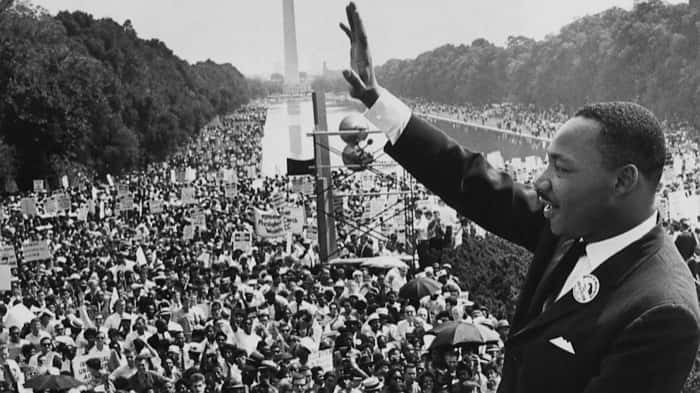
On August 28, 1963, Luther delivered a powerful address at the Lincoln Memorial, aiming to bring an end to racial segregation in the US. The speech generated both controversy and remarkable progress within US democracy when it came to the fight for racial equality.
It was during the Washington march for jobs and freedom that Martin Luther King Jr. — a Baptist minister and Civil rights activist — stood before a crowd of over 250,000 civil rights supporters at the Lincoln Memorial and passionately called for civil and economic rights alongside a meaningful end to racism. That address has since become one of the most iconic and memorable speeches in American history, delivered by a man widely recognized as a skillful orator and activist.
The Washington March of 1963 proved to be a turning point: more than 2,500 persons involved in the civil rights movement helped secure pivotal legislative gains. Among these were the Civil Rights Act of 1964, the Voting Rights Act of 1965, and the Fair Housing Act of 1968.
When King was assassinated, it triggered profound anger among Black Americans and ushered in a period of national mourning. Ultimately, the revolution culminated in a similar housing bill along with other significant civil rights achievements.
Fun Facts:
About 250,000 civil rights supporters assembled at the Lincoln Memorial during the freedom speech.
In the 1963 Freedom March, Martin Luther King Jr. addressed multiple civil rights activists.
The central theme in Luther's speech was the social and economic segregation across racial lines.
Civil Rights Activist Martin Luther King Jr. was assassinated on April 4, 1968.
After Luther's assassination in 1968, President Lyndon B. Johnson designated April 7 as a national day of mourning for the renowned activist.