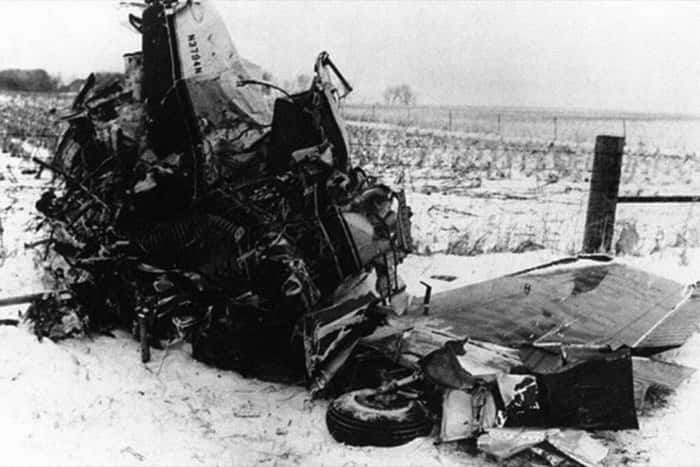
On February 3, 1959, young Americans everywhere were stunned by a devastating event that would later earn the haunting nickname "The Day the Music Died." A plane crash near Clear Lake, Iowa, claimed the lives of three groundbreaking musicians — Buddy Holly, Ritchie Valens, and J. P. Richardson — leaving an irreplaceable void in the world of American music.
Though he was just 22 years old, Buddy Holly had already left a remarkable stamp on the musical landscape. His distinctive sound drew from a blend of genres, weaving together Country and Rockabilly influences into something entirely original. That creative vision would go on to shape the work of legendary artists like Elvis Presley and Simon & Garfunkel, cementing Holly's legacy far beyond his brief career.
Just 17 years old when the crash occurred, Ritchie Valens was a guitarist, singer, and songwriter whose explosive energy brought something entirely new to Rock n' Roll. With a wild guitar-playing style and vivacious vocals, he had a magnetic stage presence that captivated audiences wherever he performed.
An American musician and disc jockey, J.P. "The Big Bopper" Richardson hosted his own radio program and scored several memorable musical hits, among them "Chantilly Lace" and "White Lightening." He is also credited with creating the first music video in 1958.
On the fateful night of the crash, terrible road conditions prompted Buddy Holly to charter a plane so the musicians could reach their next concert venue. Tragically, the pilot lost control of the aircraft, and all four aboard — the three artists and the pilot — died on impact. The loss sent shockwaves through their families and reverberated across the entire nation. When Don McLean released his 1971 hit "American Pie," he immortalized the disaster with the phrase "The Day the Music Died," a label that has endured ever since. Still, every February, the three young artists are remembered and celebrated for the indelible contributions they made to American music.