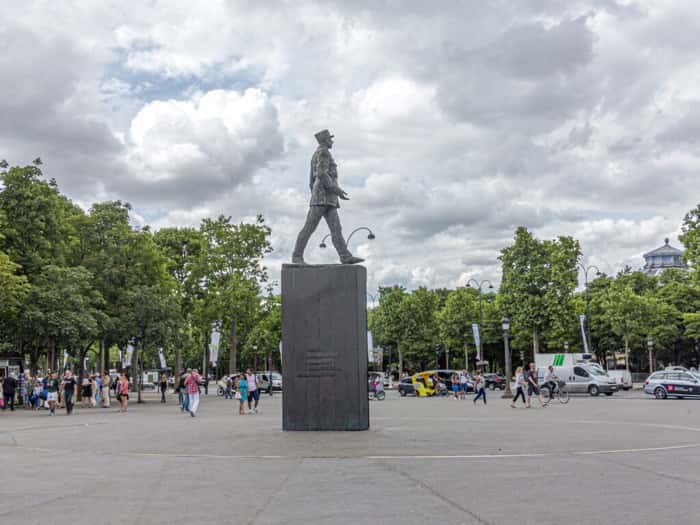
On January 13, 1959, more than one hundred Algerian freedom fighters had their death sentences commuted by French President Charles de Gaulle. Remarkably, this was among the very first official actions he took after assuming office less than a week prior.
The French- Algerian War
France first set foot in Algeria in 1830, establishing what would become over a century of colonial rule — long after both the Muslim and Ottoman Empires had dominated the region. Independence finally came for Algeria in 1962, but only after a devastating Civil War had torn the country apart. The conflict pitted Algerian freedom fighters against French governed Algerians in a bitter struggle.
Spanning seven years, the war was marred by numerous war crimes. Torture, civilian massacres, and rape became disturbingly common practices on the ground. As these atrocities came to light, international support for the war eroded even as hostilities between the two sides intensified.
Charles de Gaulle And the 5th French Republic
When Charles de Gaulle won the presidency of the Fifth French Republic, he stepped into a situation unlike anything before. Bombings and other terrorist attacks had begun striking mainland France, carried out by Algerian fighters. Recognizing the urgency, de Gaulle moved to act. His approach centered on launching a series of negotiations with the FLN, the Algerian force, hoping to broker peace between the nations and ultimately pave the way for Algerian independence.
De Gaulle's Amnesty Controversy
Many Algerian freedom fighters who had sought to drive France out of Algeria were captured and sentenced to the guillotine. In what amounted to a calculated political maneuver, de Gaulle extended amnesty to nearly 300 Algerian prisoners of war. Yet his pursuit of peace came at a personal cost — members of his own party responded with coup attempts and death threats.
The legacy of de Gaulle's amnesty push remains deeply contentious. Critics have accused it of serving as a thin veil over France's wartime brutality, and it ultimately set the stage for amnesty being extended to all French military men as well.