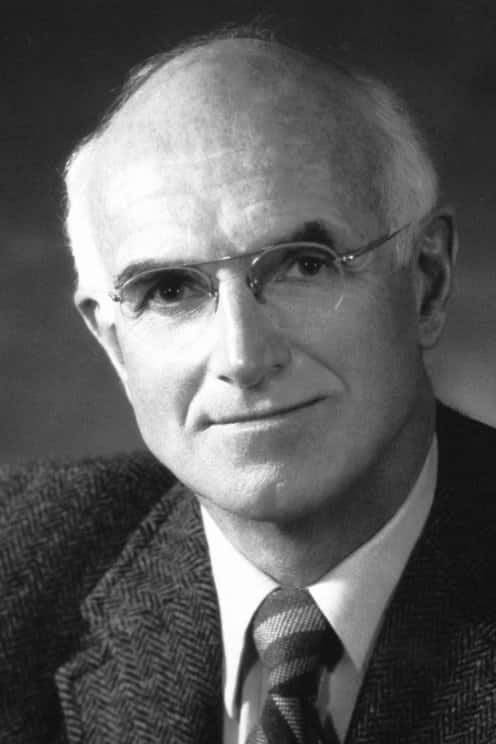
On December 23, 1954, Dr. Joseph E. Murray achieved what many had considered impossible — he carried out the first successful human kidney transplant. Taking place at Peter Bent Brigham Hospital in Boston, Massachusetts, the procedure involved transferring a kidney between identical twins. Richard Herrick, the recipient, was battling chronic kidney failure and had little hope of survival without the operation. Against the odds, Dr. Murray and his surgical team pulled it off successfully. Richard went on to live another eight years, ultimately passing away from unrelated causes. The landmark surgery opened the door to modern transplant medicine and has since been credited with saving countless lives.
The 1954 kidney transplant represented a turning point in medical history, carrying profound implications for how doctors would approach kidney failure and numerous other conditions going forward.
Prior to the advent of transplant surgery, individuals whose organs were failing had precious few options available to them, and their outlook was often dire. What the first successful transplant demonstrated was nothing short of revolutionary — that organs could indeed be moved from one human being to another, and that doing so could genuinely save lives.
From that pivotal moment, modern transplant surgery evolved into a routine, life-saving practice benefiting patients dealing with an array of medical conditions. In the present day, transplant procedures address not just kidney failure but also diseases of the liver, heart, lungs, and other vital organs.
More about Dr. Joseph E. Murray
An American surgeon and dedicated medical researcher, Dr. Joseph E. Murray earned the Nobel Prize in Physiology or Medicine in 1990 in recognition of his pioneering contributions to organ transplantation. Born in 1919 in Milford, Massachusetts, he completed his medical degree at Harvard Medical School in 1943.
Following his service in World War II, Murray made his way back to Boston and joined the staff at Peter Bent Brigham Hospital — the very institution where he would go on to perform the first successful human kidney transplant in 1954.
Throughout his distinguished career, he remained deeply committed to both research and performing transplant operations. In 1964, he reached yet another milestone by carrying out the first successful heart transplant in the United States. Beyond the Nobel Prize, Dr. Murray's extraordinary contributions to medicine earned him the Presidential Medal of Freedom, the National Medal of Science, and numerous other prestigious honors. He died in 2012 at the age of 93.