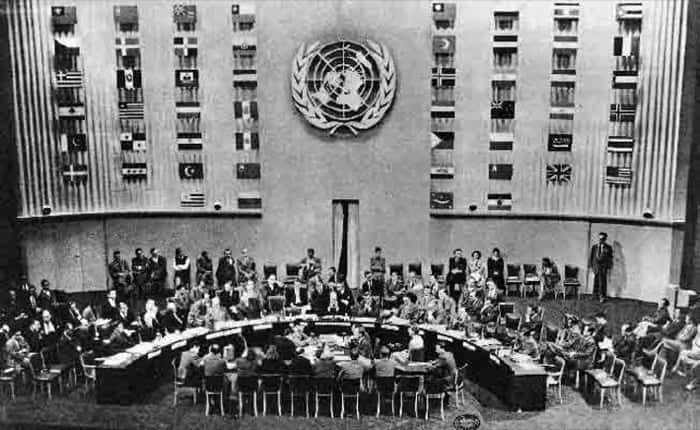
When the United Nations turned down Russia's demands, Joseph Stalin's USSR ramped up its own Atomic bomb project in earnest.
On October 21, 1948, the effort to usher in an era of nuclear control came to a definitive end as the UN rejected Russia's proposal calling on the US to destroy its entire Nuclear weapons arsenal. The failure of these trials had profound consequences — both the Americans and the Soviets doubled down on weapons development, setting the stage for what would become the nuclear arms race.
The original American Proposal had been built around an idealistic vision: making nuclear energy available to benefit the entire world, rather than allowing it to serve as a tool for war leverage.
The chain of events went something like this — first, the Baruch Proposal, which called for regulation and inspection of nuclear progression, was rejected by the USSR. Then, in response, the Soviets pushed their own demand that the US destroy all nuclear power entirely. But the UN refused to go along with Russia's demands, and with diplomacy exhausted on both sides, the nuclear arms race was officially underway. Here are some fun facts
Fun Facts:
- The United Nations Atomic Energy Commission was envisioned with a specific purpose — distributing nuclear energy for the world's benefit rather than allowing it to become a catalyst for going to war.
- It was actually Russia that rejected the American plan first, which had proposed regulating and inspecting nuclear advances and progression.
- The American plan was drafted by Bernard Baruch, who was regarded as one of the most trusted people by the United States presidency.
- Once the UN's efforts to "Monopolize" nuclear energy proved unsuccessful, the Cold War followed in 1949.