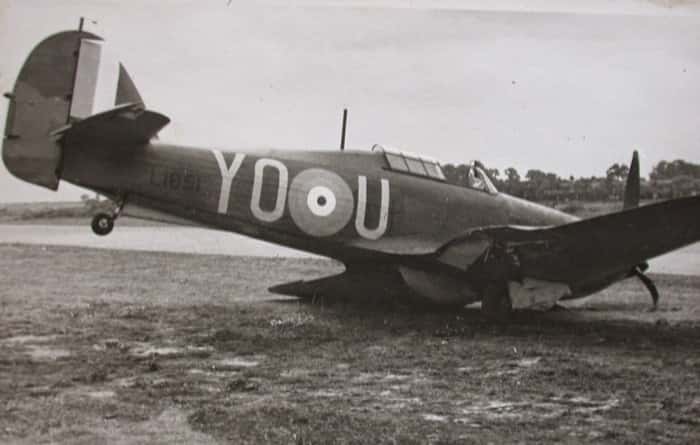
The Hardest Day stands as one of the most devastating aerial confrontations ever fought, marking a massive incursion by the German Luftwaffe into Great Britain's Airspace. In the wake of France's collapse, Germany fully expected the British to pursue a peace settlement and surrender without resistance. Great Britain, however, refused to back down and committed itself to continuing the fight.
This resolve prompted Hitler to consider military alternatives, ultimately settling on a relentless air campaign against Great Britain. The objective was straightforward: end the war swiftly by seizing dominance of the skies over Southern England and neutralizing the threat represented by the Royal Air Force.
The outcome proved to be a triumph for Britain, showcasing the extraordinary resilience of its military forces and ensuring that the nation would remain free from Nazi occupation.
Quick Facts:
A vast network of ground crew provided massive support to RAF aircraft throughout The Hardest Day. This collective effort proved decisive in defeating the Luftwaffe and ultimately forced Hitler to abandon his invasion plans prematurely.
Spanning three months and three weeks, the Battle of Britain raged across British Airspace from July 10 to October 31.
In the course of the fighting, the Royal Air Force destroyed at least 1700 German Luftwaffe planes. The RAF also paid a heavy price, losing 1250 aircraft, including 1017 fighters.
About 2,662 German casualties suffered injuries, many of whom were seasoned aircrews. The Germans never fully recovered from the loss of this experienced personnel.
Each year, September 15 is officially celebrated as the climax of the Battle of Britain. It was on this date that London became the German Luftwaffe's primary target.