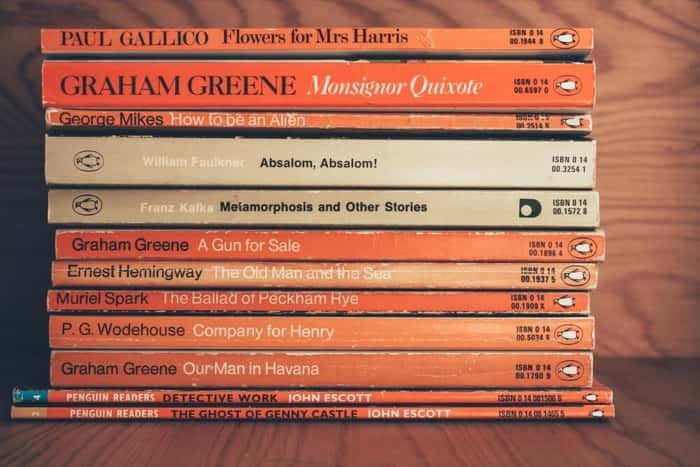
In an era of e-books dominating the market and paperbacks lining the shelves of every online retailer and brick-and-mortar bookshop, it's tough to imagine a time when softcover books were something genuinely new. Yet before the 1930s, the publishing landscape was dominated almost entirely by expensive hardbacks.
The Paperback Revolution
Everything shifted on this day in 1935, when Penguin Books released its very first paperback and set the paperback revolution in motion. Deliberately priced at just sixpence each, these affordable editions made premier literature and non-fiction available to everyday readers.
Before Penguin Books made the groundbreaking choice to mass market high-quality paperbacks, softcover books carried a seedy reputation — they were widely seen as cheap, back-alley reading material. Penguin Books distanced itself from these lurid, low-quality novels by rejecting the scandalous cover art and gaudy illustrations that plagued the genre. Instead, the publisher embraced a clean, serious aesthetic for its paperback line. A straightforward color-coding system told readers what to expect inside — green signaled crime, orange meant fiction, and deep blue denoted biography. As the paperback revolution caught fire and the range of available titles grew, these colors naturally expanded right along with them.
Penguin Books demonstrated something the publishing world hadn't fully grasped: a huge audience for quality reading material genuinely existed. By putting literature and non-fiction within reach of a far wider demographic, the Penguin Paperbacks ignited a reading revolution, opening up classic works to countless people who simply couldn't access them before.
Nearly a century on, Penguin Books remains a name that's virtually inseparable from quality literature, and their paperbacks continue rolling off the presses. Though e-books may represent the next great shift in publishing, Penguin Books seems well positioned for whatever lies ahead, already offering many of its titles in electronic format. What does the future hold for this iconic publisher? That remains to be seen — but book lovers around the world undoubtedly owe Penguin Books a deep debt of gratitude.