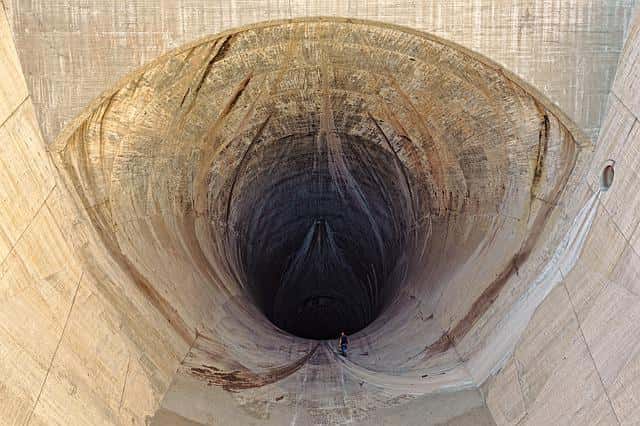
From exploring abandoned ghost towns to trying your luck at the tables in "sin city," the American desert southwest offers no shortage of ways for tourists to stay entertained while braving the heat. Among all the attractions, the Hoover Dam stands out as one of the most beloved. Photos and videos simply cannot capture its true scale — you really have to stand before this engineering marvel in person to fully appreciate the profound impact it has had on both the landscape and the communities that have made the desert southwest their home.
On June 25, 1929, President Hoover gave the green light for the construction of the Hoover Dam, but the months and years that followed would usher in sweeping transformations across American society. The most seismic of these shifts was, of course, the Great Depression. Had it not been for the New Deal programs introduced by President Roosevelt, the Hoover Dam might never have become a reality.
The reasons are far too complex to fully unpack here, but The Roosevelt Administration chose to officially call the structure Boulder Dam, a gesture acknowledging the nearby Boulder City. It wasn't until 1947 that Congress stepped in and passed legislation to officially rename it Hoover Dam. Even after its formal dedication in 1935, the dam wouldn't actually open to the public until more than a year later. Building the Boulder Dam provided employment to thousands of people during the time they needed it most — a massive undertaking that had its origins with Herbert Hoover during his time in the House of Representatives.