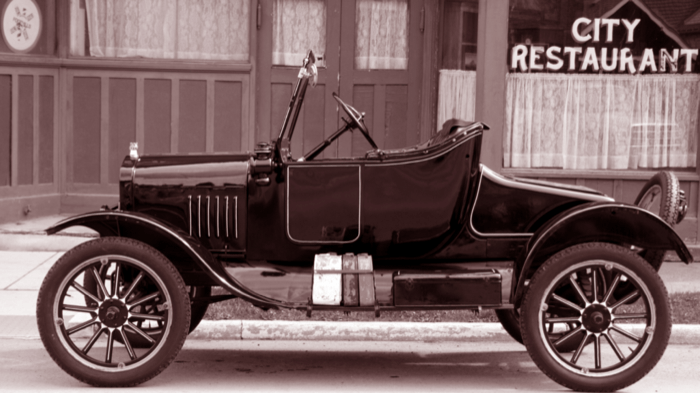
On May 26, 1927, a defining chapter in automotive history came to a close. Henry Ford, accompanied by his son Edsel, stood watching as the final car of the day made its way down the assembly line. Once it was finished, the two climbed in, drove it off the lot, and shut everything down. Just like that, the Model T's legendary production run was over.
What made the Model T so remarkable wasn't just that it was the world's first affordable automobile — it was also the most popular car on the planet. Before its arrival, automobiles were widely dismissed as expensive playthings for the rich, unreliable contraptions that most people believed would never replace the horse. But the Model T changed all of that. It worked relatively well, and more importantly, its price tag was low enough that everyday people could give it a try — and try they did. The car sparked such a driving craze across the country that by 1920, the government had elevated road construction to one of its top priorities.
The Model T's success had an ironic side effect: it opened the floodgates for competing automakers to produce their own affordable vehicles. These rivals studied what Ford had built, learned from it, and ultimately created superior cars. By 1927, Ford was forced to acknowledge that the Model T simply couldn't keep up anymore, and it was time to pull the plug on production.
With the factory going silent, Ford offered a heartfelt eulogy for his iconic creation. "It was the car that ran before there were good roads to run on," he reflected. "It broke down the barriers of distance in rural sections, brought people of these sections closer together." Beyond that, it ignited America's enduring love affair with the automobile — a passion that burns just as bright today. Ford would go on to produce many other well-received vehicles and grew into one of the largest automotive companies the world has ever seen, yet none of its later models ever quite captured lightning in a bottle the way the Model T did.