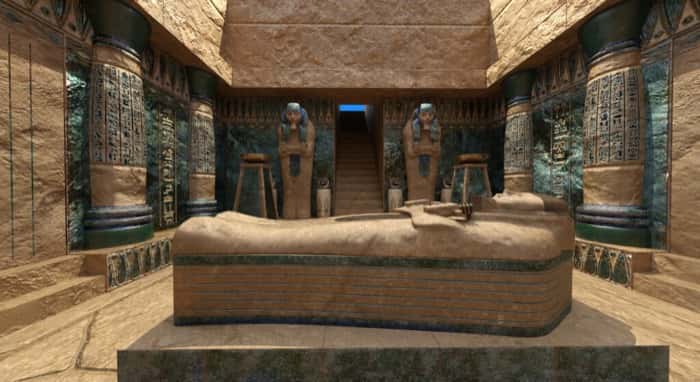
On February 16, 1923, the world was forever changed when Howard Carter unsealed the inner burial chamber of King Tutankhamun's tomb — pulling off what many consider the most remarkable archeological achievement in history. In that breathtaking moment, Carter became the first human being in more than 3,000 years to gaze upon the final resting place of an Egyptian Pharaoh, captivating an entire generation and sending shockwaves across the globe.
The Hunt For King Tut
The quest for the tomb had begun back in 1915, when financier Lord Carnarvon tapped Carter to lead the search. What followed were months of painstaking exploration alongside his Egyptian team, punctuated by frustrating false starts. But persistence paid off — Carter ultimately gained entry to the very room where Tutankhamun had been laid to rest, a space no human hand had touched since 1325 BC.
What makes this site so extraordinary is its singular place in history: it remains the only royal tomb from Ancient Egypt ever found completely intact. This gave modern-day archaeologists an unparalleled window into an ancient civilization. The chamber yielded a stunning collection of artifacts — golden jewelry boxes decorated with hieroglyphic inscriptions, elaborate wall paintings, and statues portraying gods alongside members of royalty.
In the decades since the discovery, the artifacts have been the subject of countless studies and have traveled the world in large-scale tours, igniting widespread public fascination with Ancient Egypt. Beyond serving as a historical benchmark, the find stands as a humbling reminder of just how much about our past remains unknown — and how much work lies ahead in piecing together its mysteries.
The Legacy of Howard Carter's Momentous Feat
Taken together, Howard Carter's groundbreaking entry into King Tutankhamun's inner burial chamber has cemented a legacy destined to endure for generations. The artifacts brought to light within that chamber are a powerful testament to one man's perseverance and deep curiosity about our collective past — inspiring people around the world with a richer appreciation for the history we all share.